

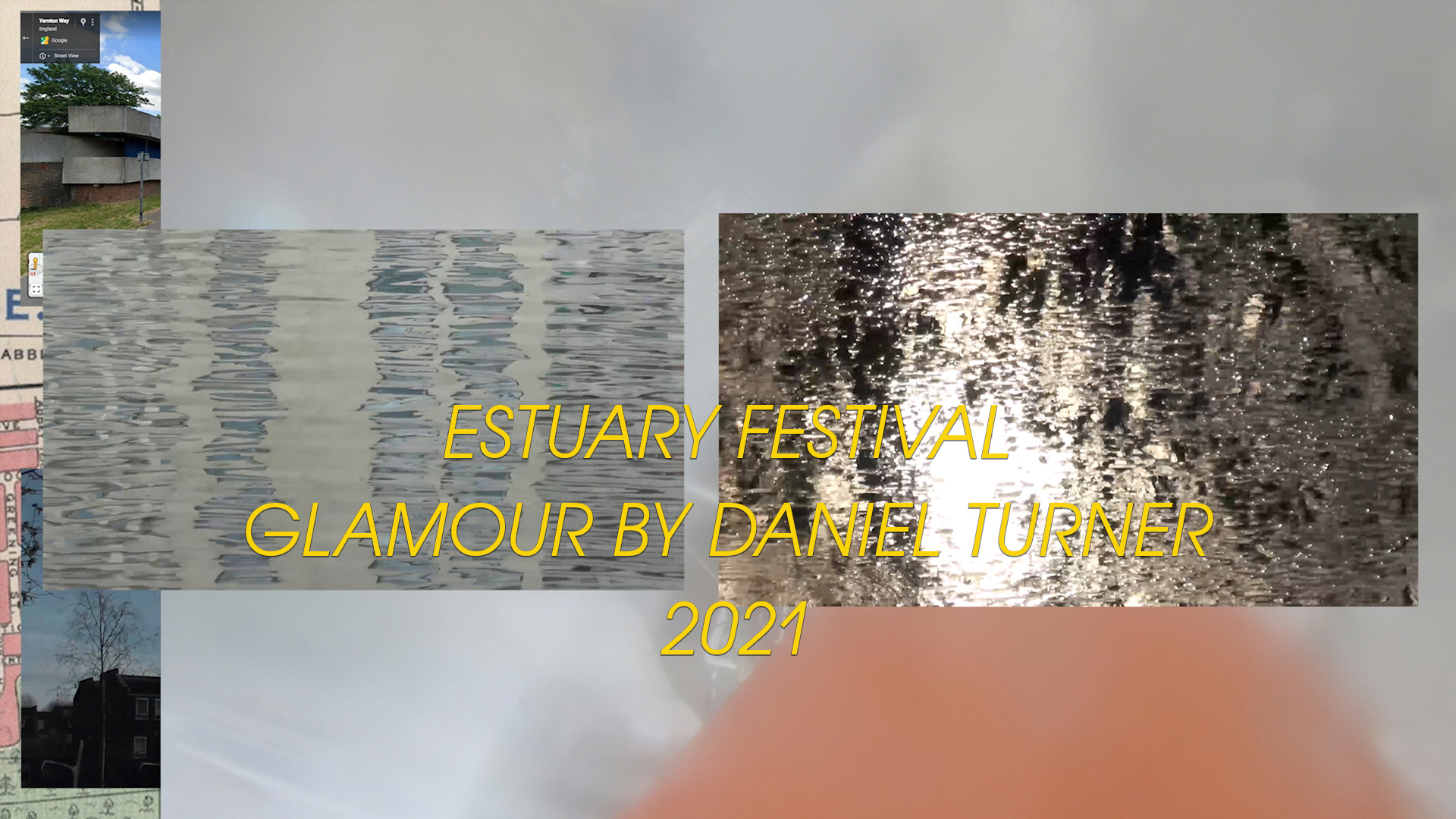
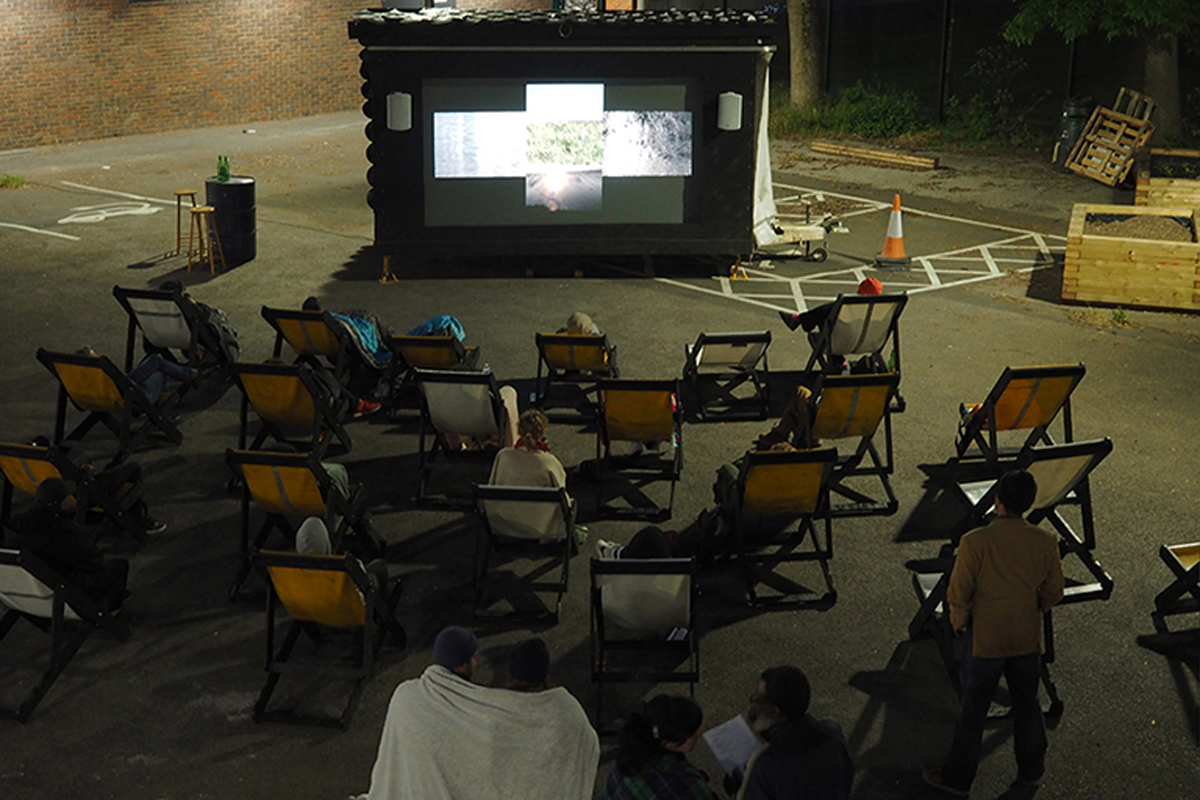
For the Estuary Festival 2021, Thamesmead Texas have commissioned two artist filmmakers to produce new works for a screening programme in response to the theme of Imperial Legacy, specific to the sub themes of territories’, land ownership and mobile populations. The two featured artist filmmakers: Asmita Shrish and Daniel Turner (Aka ‘The Gypsy Sculptor’) are deeply embedded in Thamesmead, with a history of either living or researching in the locality. Thamesmead Texas have supported both Asmita and Dan to produce and display the works for a curated film programme, alongside an accompanying series of short films of their choice, for display from the Thamesmead Travelling Cinema, Lakeside Centre throughout the weekend of the Estuary Festival 29-30 May 2021. See more here.
Curated by Scully & Scully. Funded by Estuary Festival, Peabody and Bow Arts Trust.
Click here for interview with Daniel Turner
How did you first come to Thamesmead?
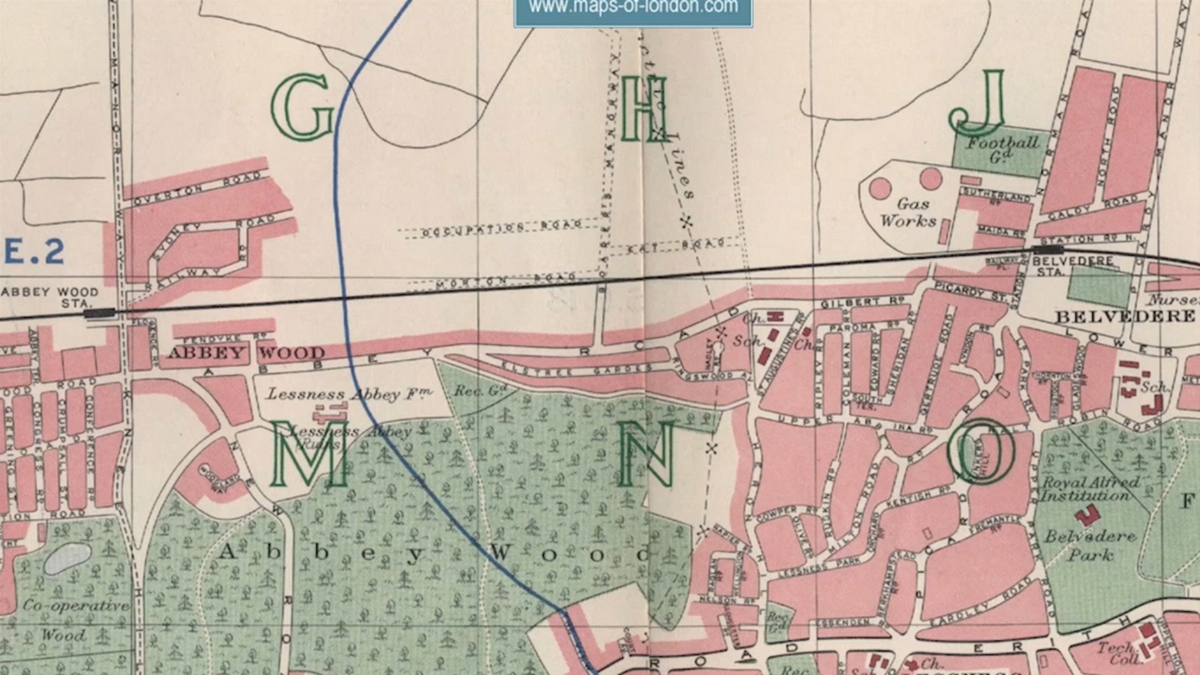
I was born in Dartford Hospital, but my family already lived in Belvedere. The area that is now Thamesmead, between Belvedere and Abbey Wood was part of marshland used by Romani as a stopping place since the late1890’s up to until 1956 when the last members of the community were evicted. Both sides of my family lived on the Marsh and later on in Belvedere, Abbey Wood and Slade-Green. I was a teenager at the time and watched (often closely) Thamesmead being built.
Could you describe the landscape, how it was growing up, how you experienced it, before what we now know as Thamesmead?
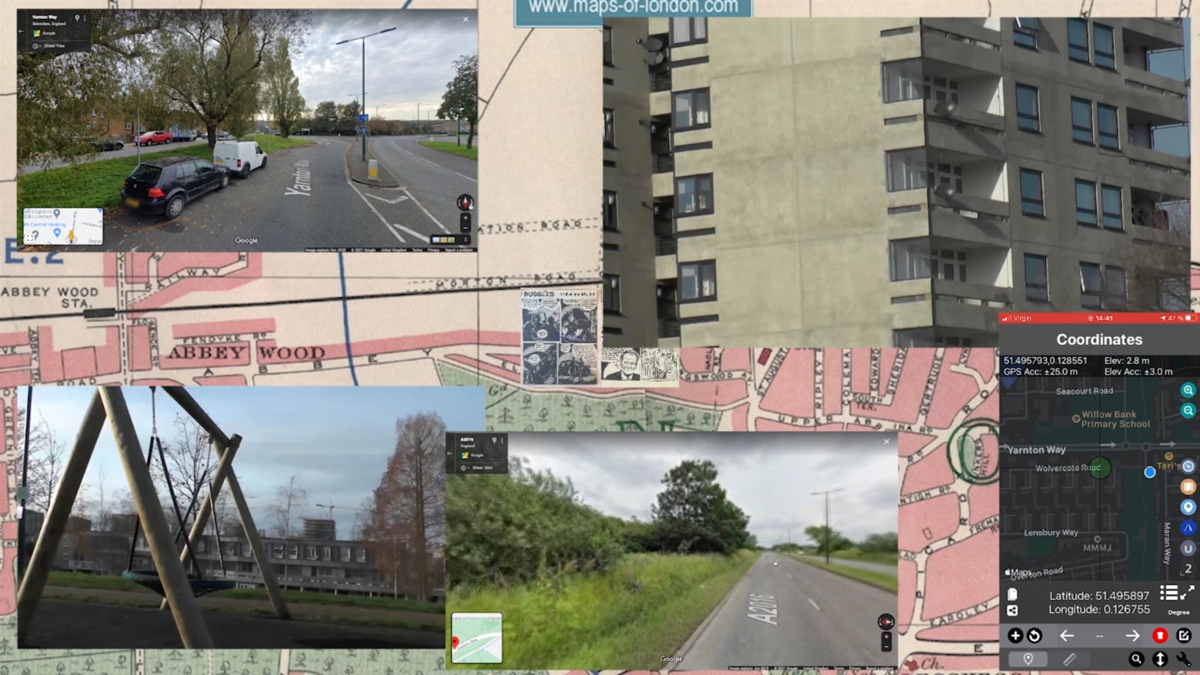
It was a mixture of green open space and industry. When I was growing up here before Thamesmead there was a farm or market garden which grew fruit and vegetables. It was close to where Wurth’s is now. It was a much greener space, which you only get glimpses of now. It was always possible to be out and about in open space. I often visited Thamesmead when it was being built. My friends and I climbed through holes in fences and rode down the unmade road that was then Yarnton Way, down to the lake in and out of underground car parks. We watched Thamesmead being constructed around us, where we once could go about freely. When I was young, I would walk down between the Working Man’s Club and houses near St. Augustine’s Church, Belvedere and cross the railway by a little gate was opened by the crossing man. Once across you were in fields of vegetables and fruit – strawberries, peas things like that.
You identify as a Gypsy Roma Traveller artist (GRT) what is the difference between the three groups?
This is a very complex question which is not really possible to deal with here except by making a lot of generalisations. A famous Romani scholar, Ian Hancock gives a list of 20/30 books which he
suggests people read before even starting this discussion. Gypsy Roma and Traveller communities are minority ethnic groups that have contributed to British society for centuries. Their distinctive way of life and traditions manifest themselves in nomadism, the centrality of their extended family, unique languages, and entrepreneurial economy. It is reported that there are around 300,000 Travellers in the UK and they are one of the most disadvantaged groups. The real population may be different as some members of the community do not participate in the census. Travellers, Romani and Roma each have very different customs, religion, language and heritage. For instance, Gypsies are said to have originated in India and the Romani language (also spoken by Roma) is considered to consist of at least seven varieties, each a language in their own right.
You have talked to us about how there are either very few artists who are GRT or identify as GRT. How can this be addressed; how can we all ensure we get more engagement with the arts from the GRT community?
I think this situation is not just affecting the Gypsy, Roma and Traveller communities. In Europe there are many artists with a Roma heritage and who make and show work in much the same way as I do. This way of making, based on heritage and culture is widely practised by many artists from all around the world. You could say this is what art is: the filtering of ideas and images through a unique personal perspective. Having said that we are probably 10/20 years behind other artists working in this way. But this is also linked to anti-gypsyism and stereotypes, which like all institutional racism limits the expression and inclusion of others. I would suggest people checkout a Roma artist called Norbert Olah whose work, The Anxieties of the “Roma Artist” can be seen on the ERIAC-ROMAMOMA website. This would give people a good insight into a Roma artist thinking. Even having artists and others from the community celebrated or even shown in a positive way would go a long way to help to.
How did you get into art?
I came from a family of makers. I found that I had certain skills which I could use that led naturally into art. Also, at that time an art-based education was not so academically rigorous as it is today, which meant it was less formal and therefore more accessible to someone from my background. That’s not to say it wasn’t challenging, however.
Can you talk about your new work for the Estuary Festival 2021 and the experience of returning to Thamesmead to make it?
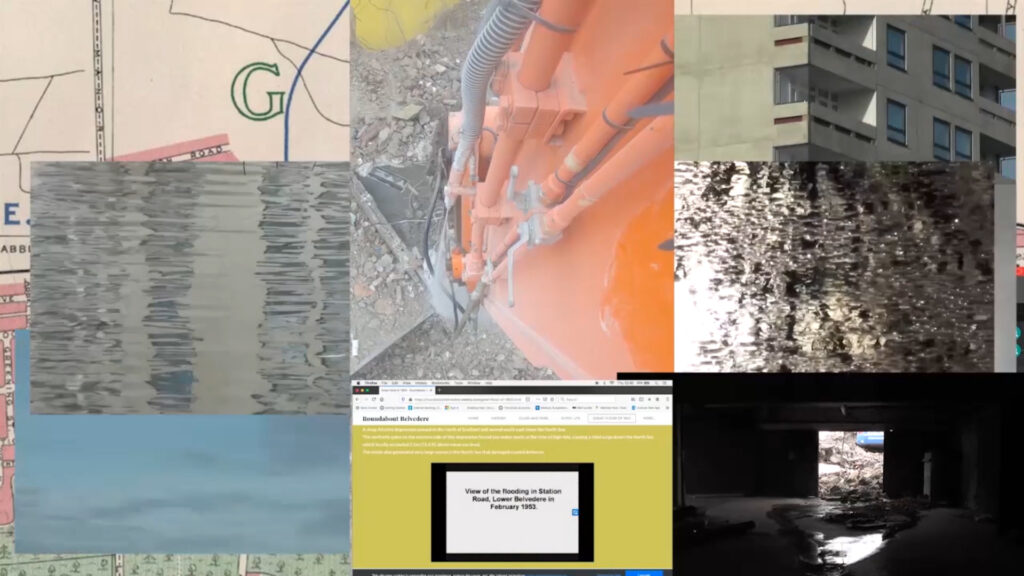
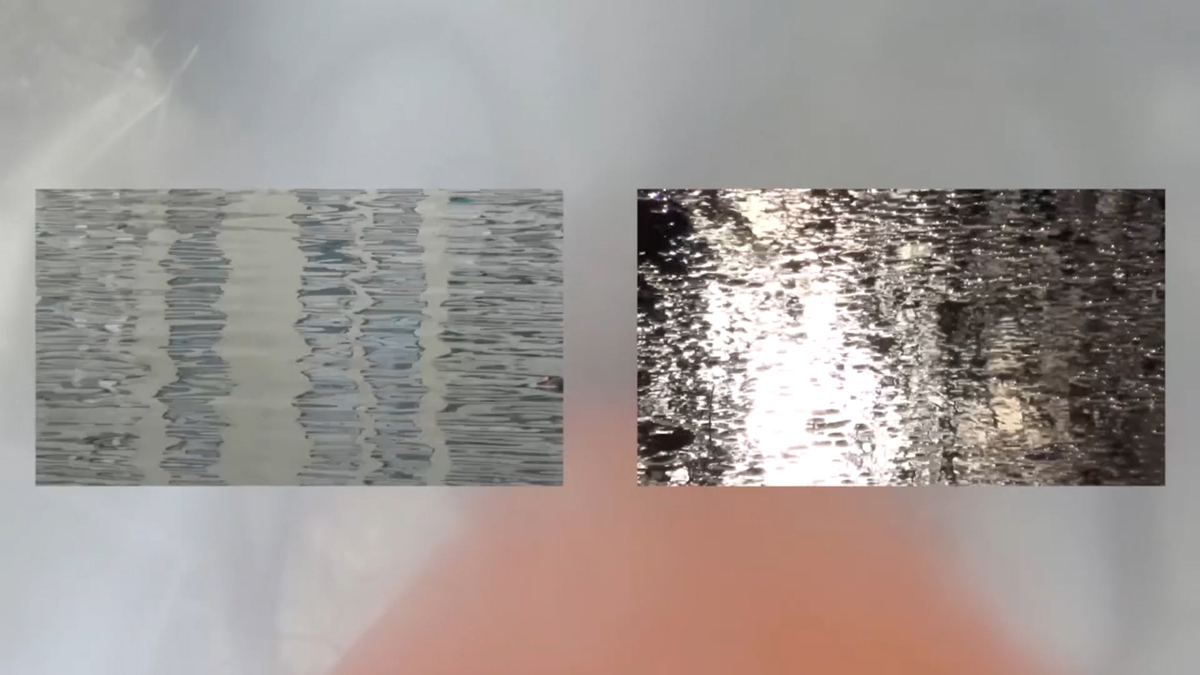
In this film I try to explore how GRT lives are lived in the tension between moments of erasure and
hyper-visibility. This jumping from invisibility to being all over the media (and never in a positive way) creating a cycle and the seeming impossibility of escaping this cycle. The idea of erasure/hyper-
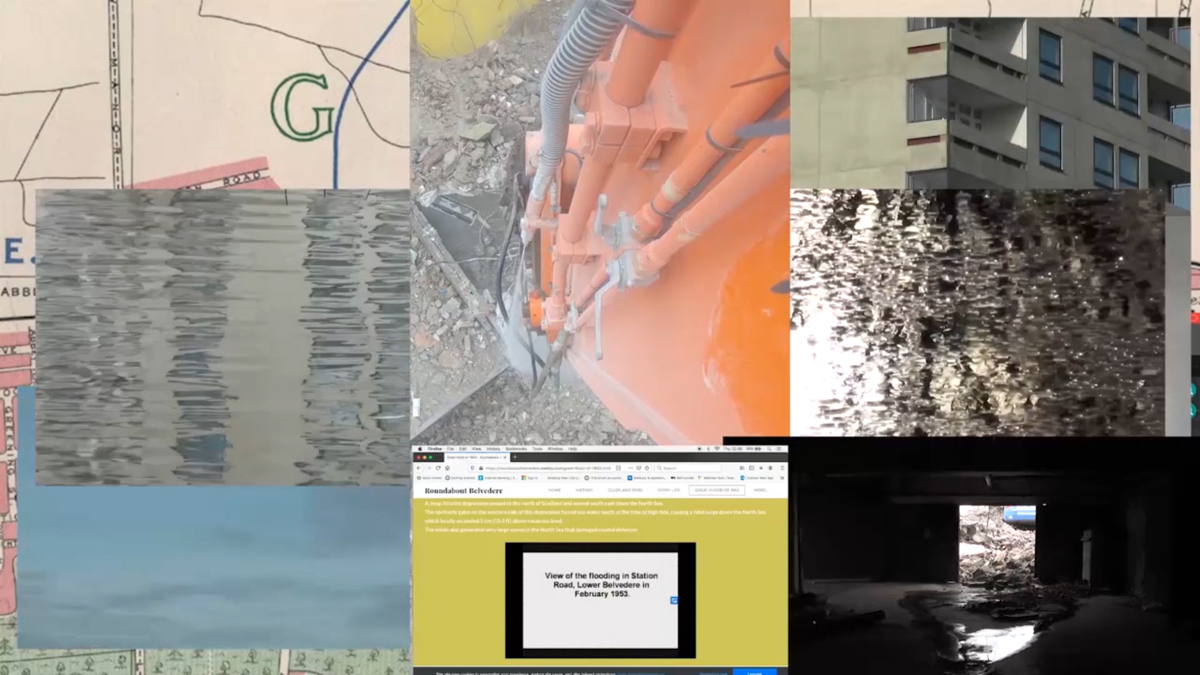
visibility doesn’t only relate to the Romani/Roma community but to what has happened in Thamesmead and the communities that those people came from prior to their move to Thamesmead. In fact the cycle of erasure/hyper-visibility puts Romani/Roma into what is happening in a much wider context to working, minority and migrant communities all over the world. The focus of non-Roma, in relation to GRT culture is on the nomadic, the freedom to move and to keep on moving. However, from my perspective it is the camp, the stopping place which is the important thing. It’s a place where family and family histories meet. The camp is open to destruction and erasure because it can’t be understood look at the cartoons from the Bexley archives. It is the place of the other, which opens up the possibilities of alternative histories of that place. This is why finding the site of the old encampment and the possibility of it being marked is so important. If look at my practice in another way my art works are encampments, limited by duration and place.
Can you describe the intention behind the title of your work?
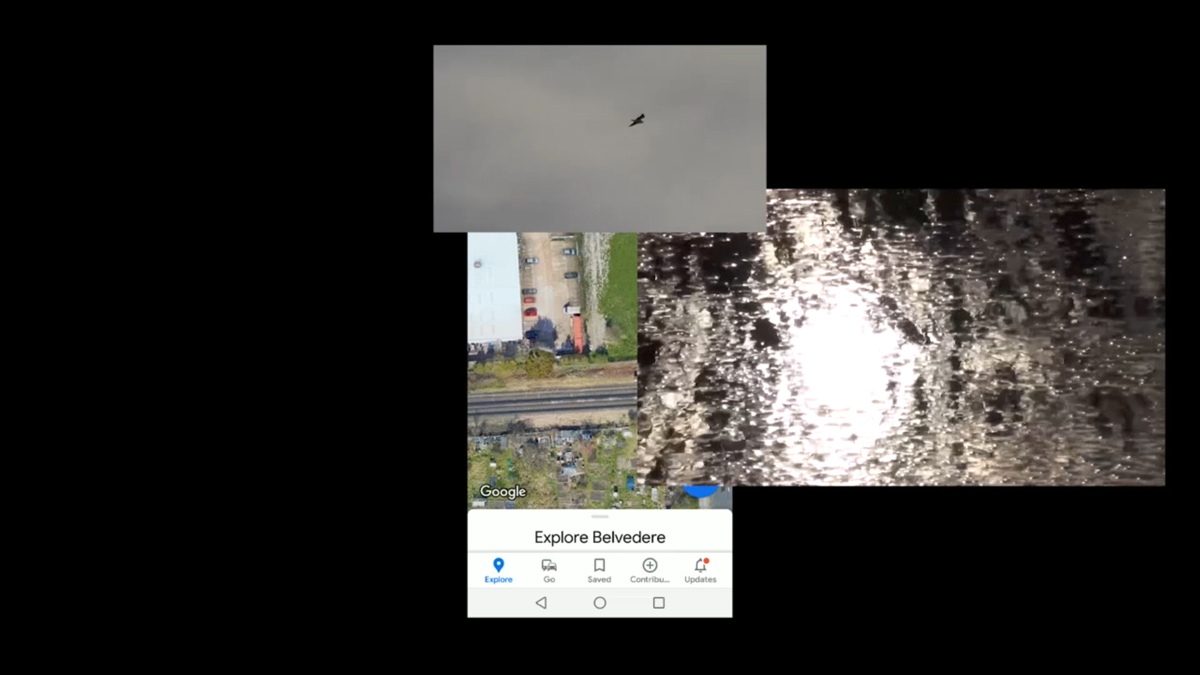
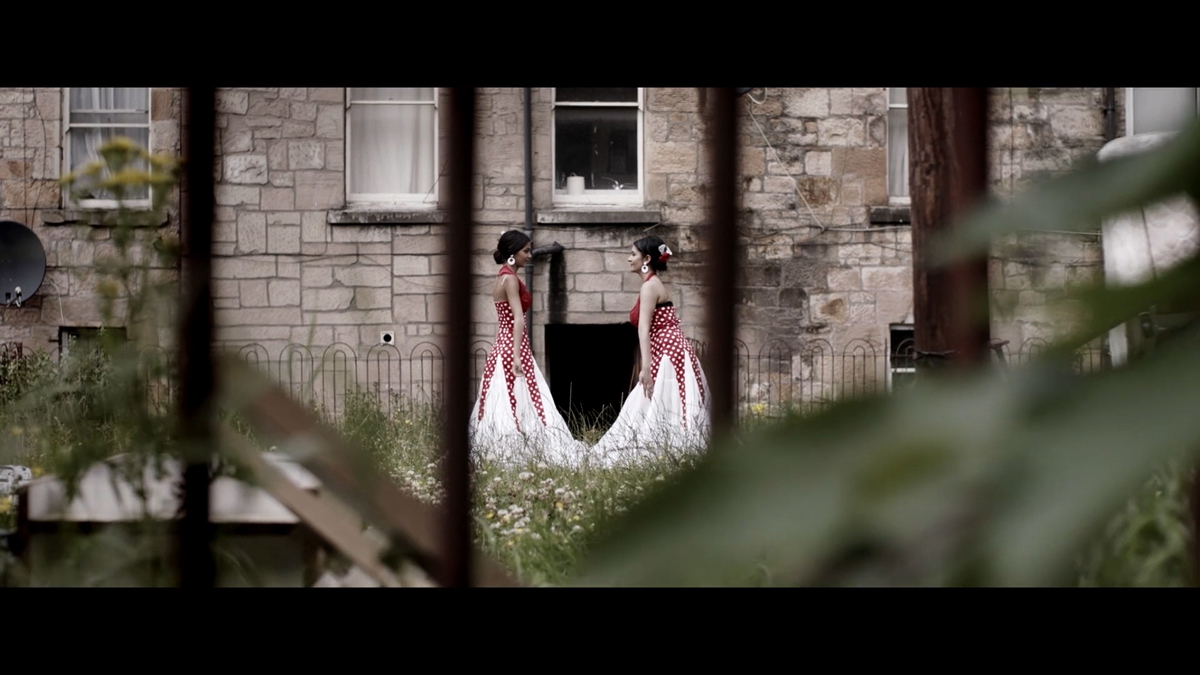
“Glamour” was originally referred to a magic spell, an illusion said to be cast by witches, particularly this was associated with witches of Roma (“Gypsy”) origin, male and female. As the title for this piece, I use the play between the words original sense and it’s modern derivation. One describes the fascination of non-Roma with Romani cultural heritage. A Google search will give you images, articles and websites of this glamour (very few made for or by Roma), this spell which is still cast by the idea of “Gypsy”. The other how to charm and change the everyday.
What will you take away from this piece, will we see it grow into something bigger?
From this piece I have found the links between communities are far stronger than differences. Coming from this piece I think there will be a series of works exploring other aspects of the area and its overlapping boundaries.
You often talk of and have provided a passage of poetry by Audre Lorde. How has her work influenced you as an artist?
I encountered Audre Lorde as various quotes over a number of years. As I began to develop my practice to be a less schizophrenic way of working I found she articulated what I was unable to do at the time. Her words provided a catalyst for me to look at my practice in a wholistic way. Particularly ‘Your silence will not protect you’ and ‘The masters tools will never dismantle the masters house’ when I read them resonated with my practice as it developed. “and remember for the embattled there is no place that cannot be home nor is” Audre Lorde, School Note.
What are your hopes for Thamesmead in the future and particularly the Traveller community in Thamesmead?
I hope Thamesmead continues to develop and include many different communities. Difference can often be romanticised, denied, or simplified and identities silenced. I hope that there is still a part for the Traveller community to play in and around Thamesmead which celebrates our history and continuity in the area.
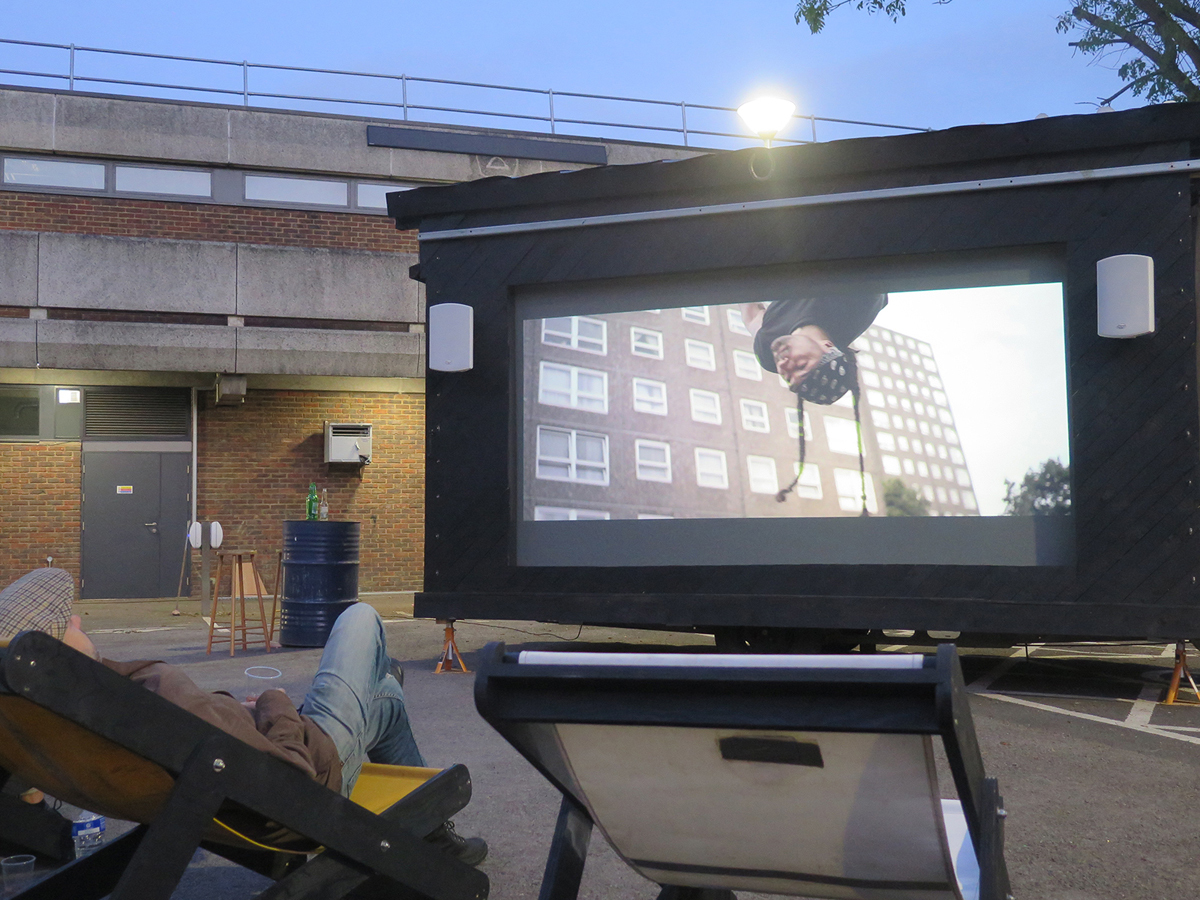
Thank you for bringing this project to the Thamesmead Travelling Cinema, which is the first public outing of our cinema. It is our intention to use the cinema not only to entertain but also to show challenging works that draw awareness to issues that may go overlooked. Liam & Vanessa
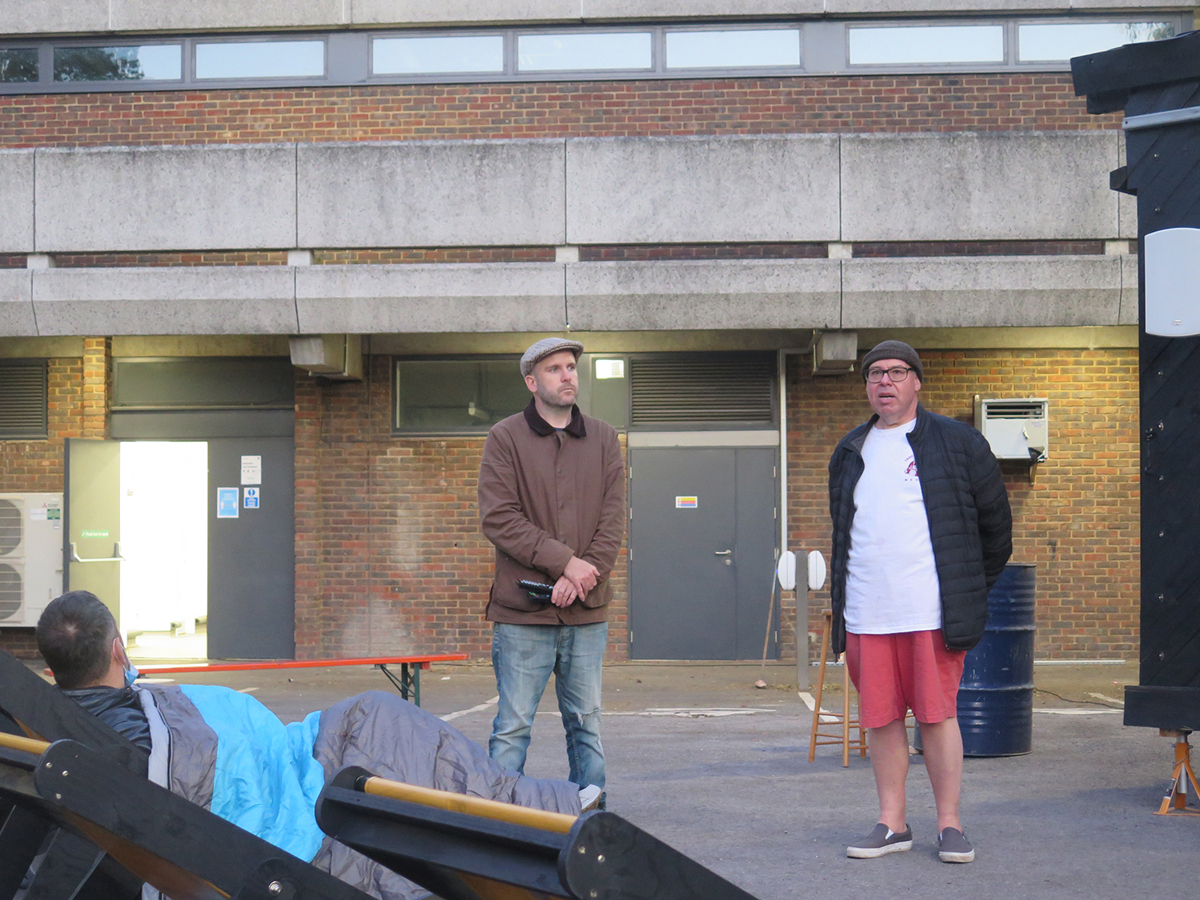
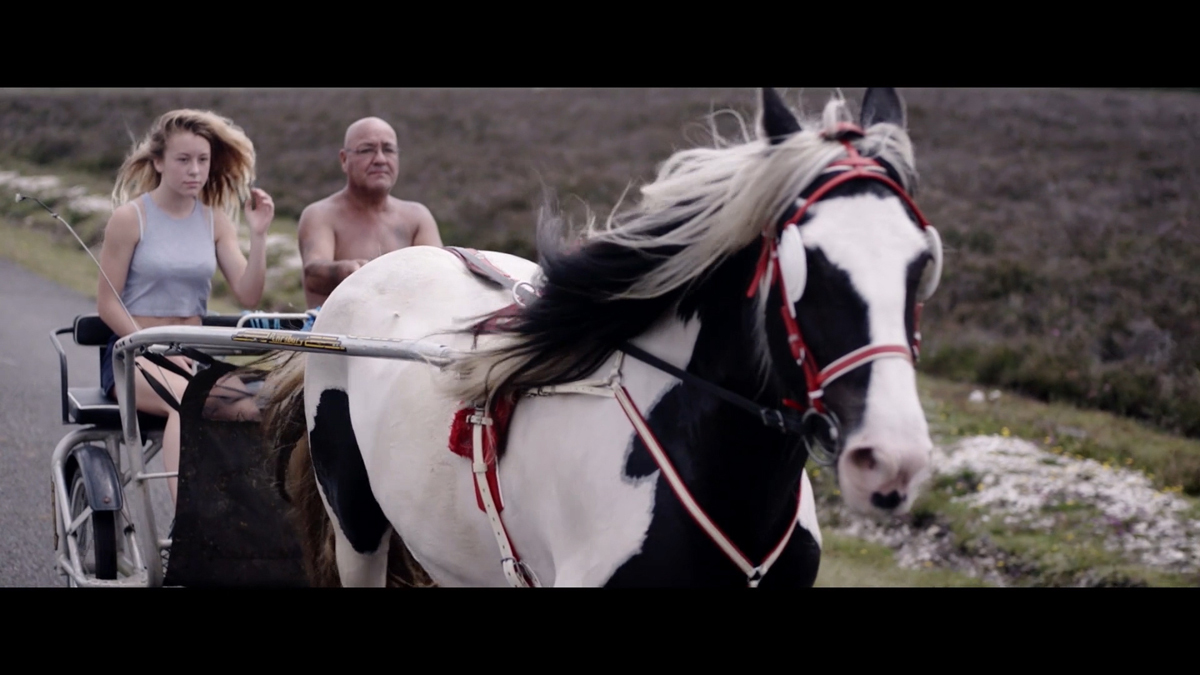
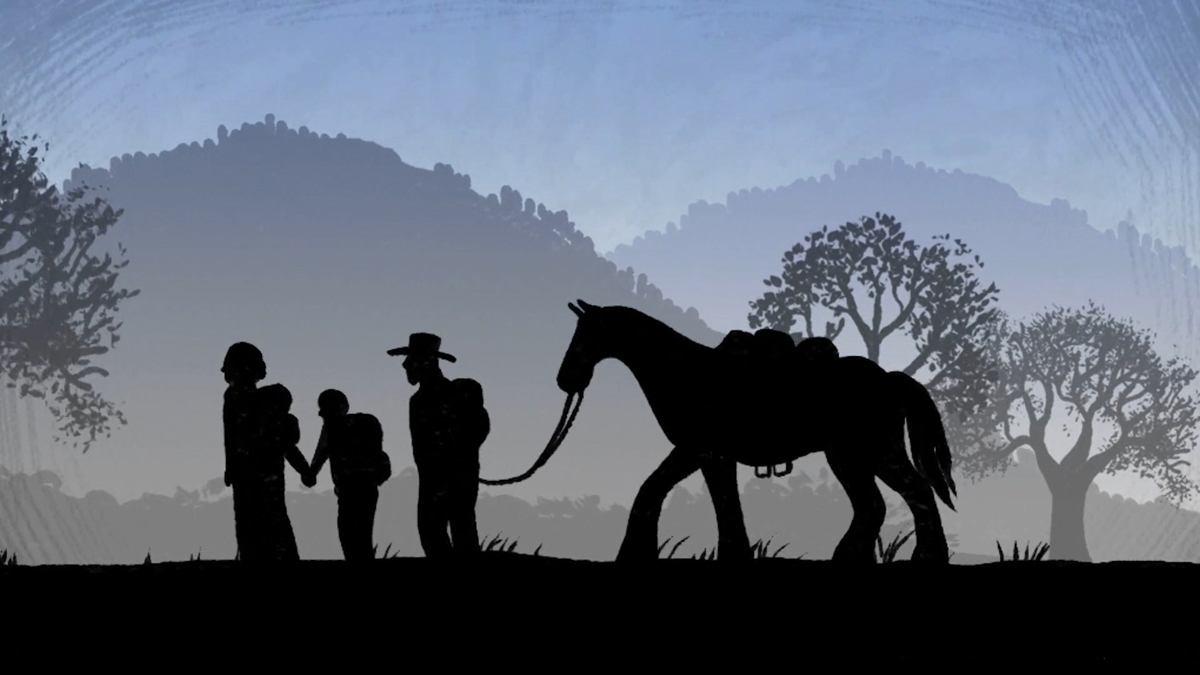
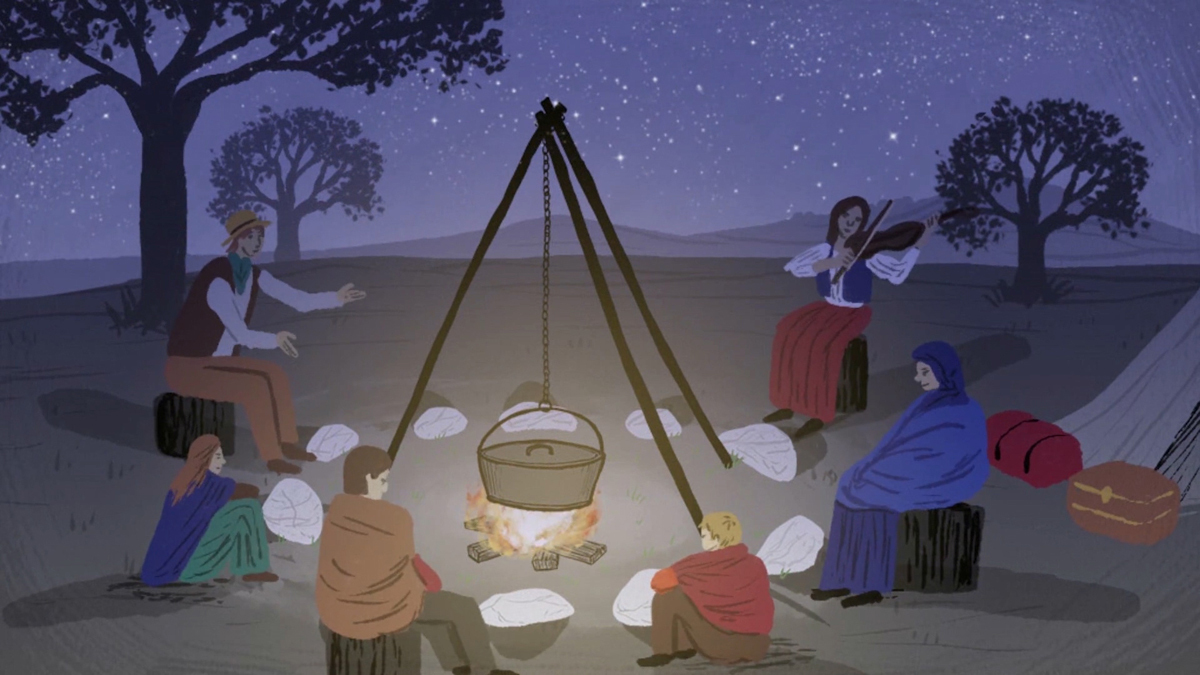
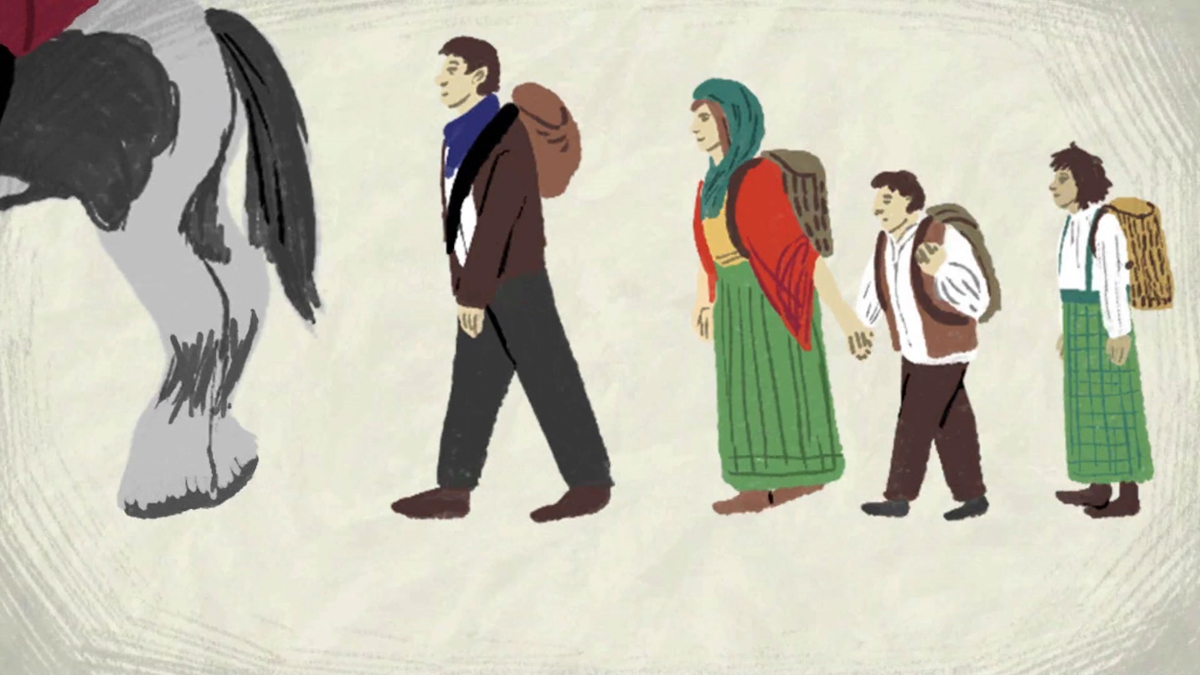
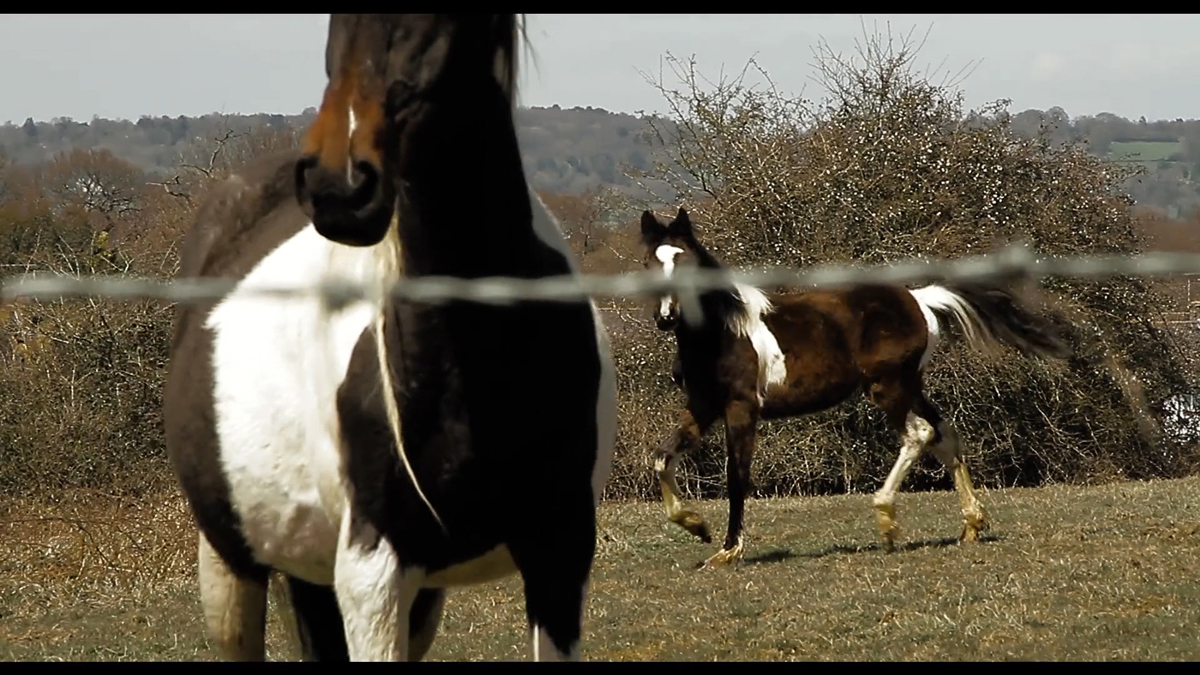
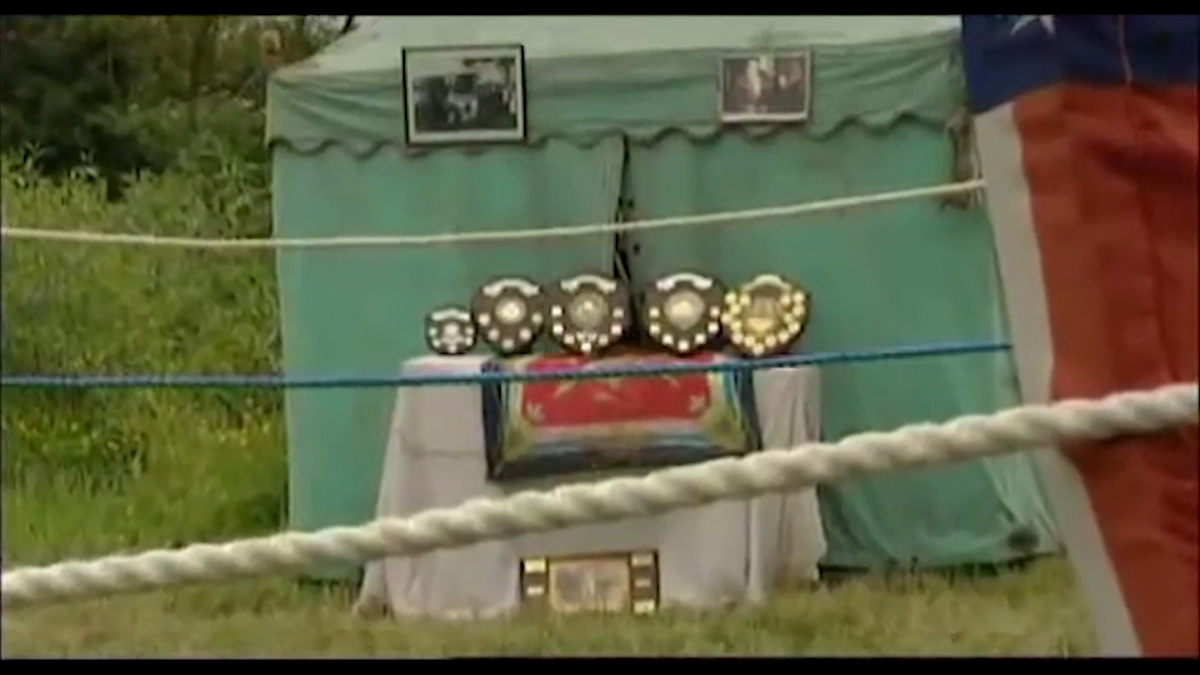
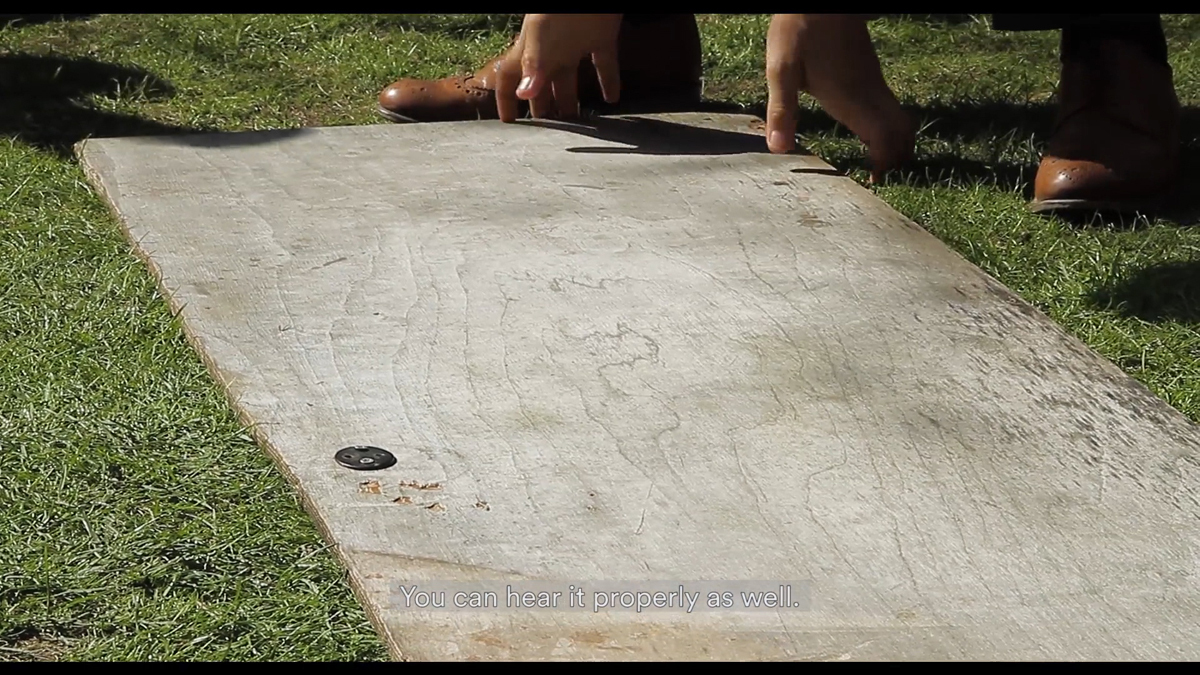
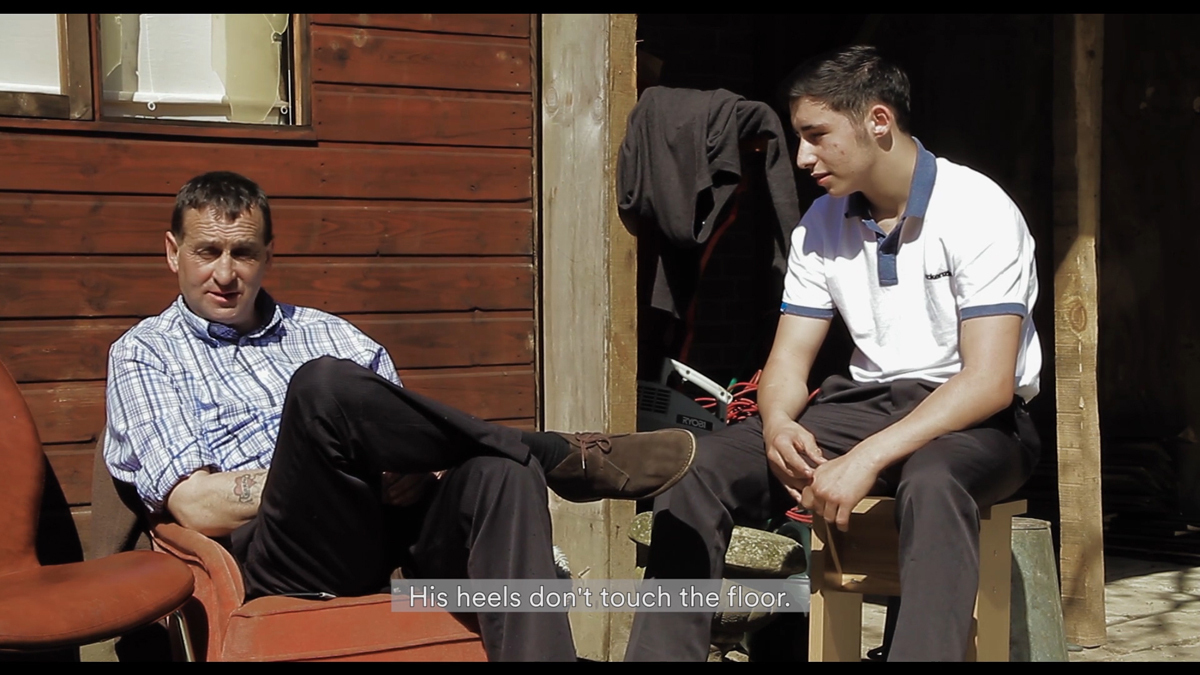
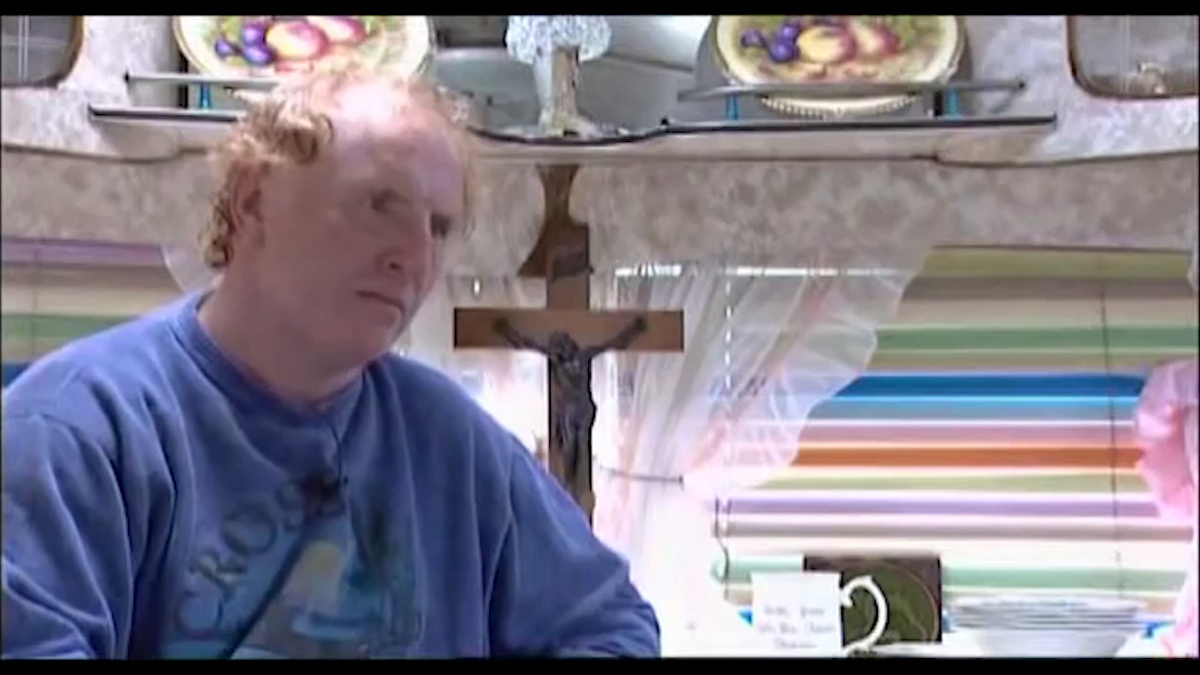
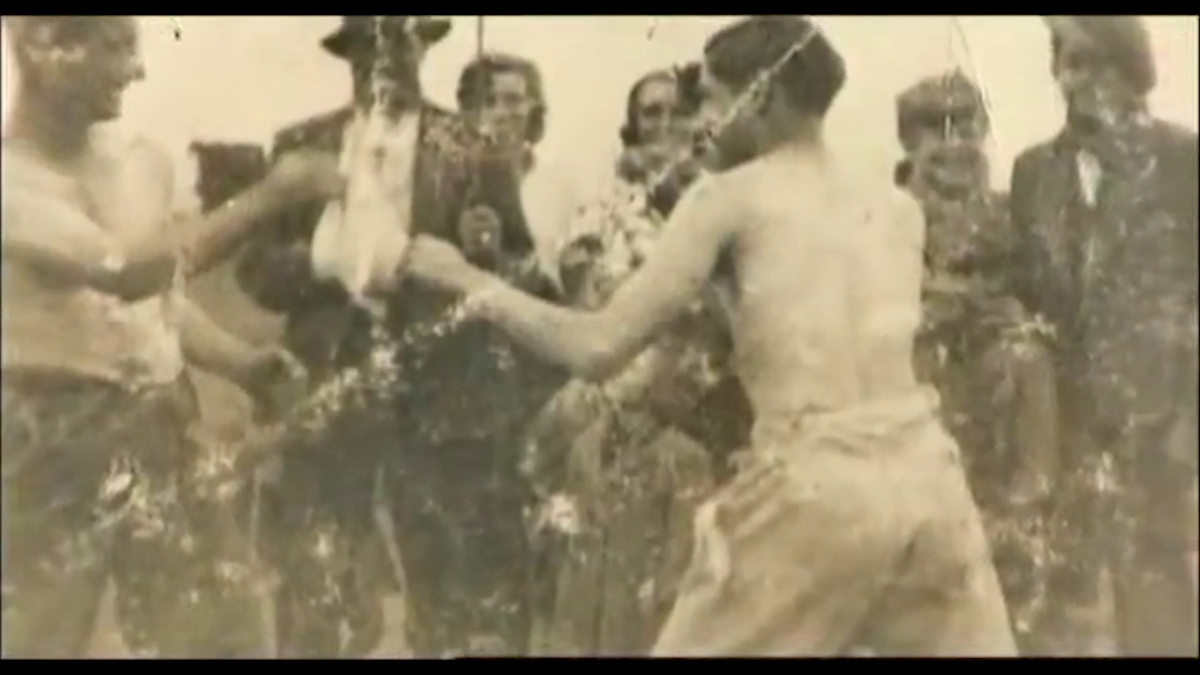
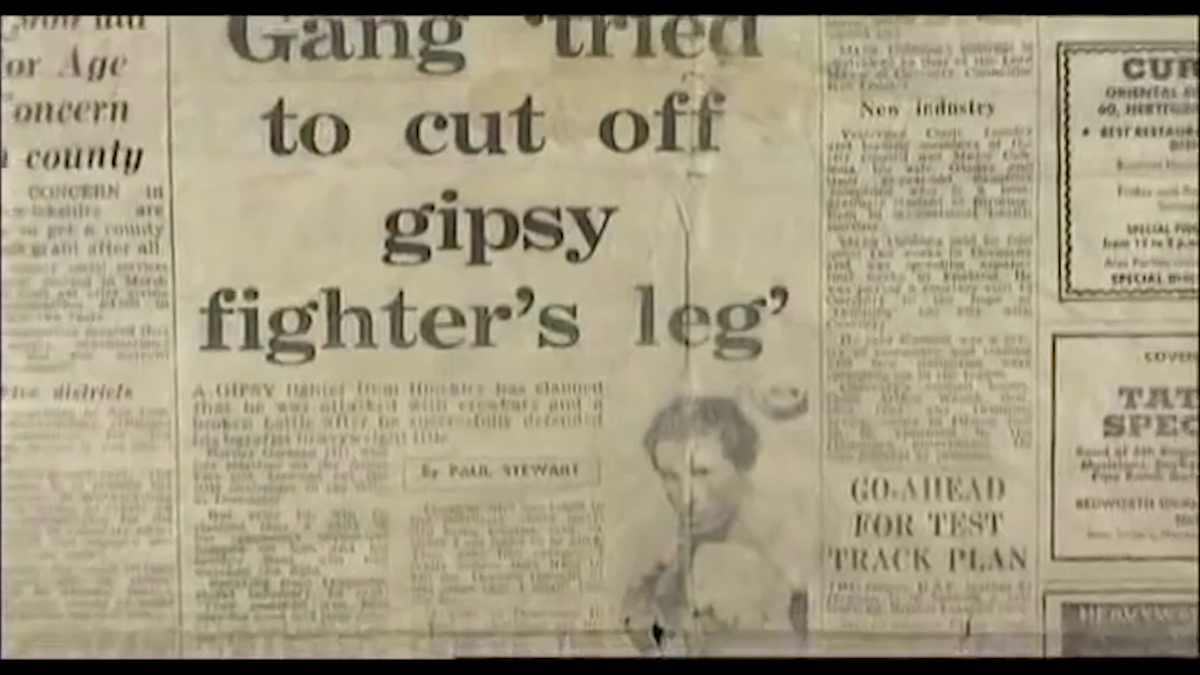
DANIEL TURNER (AKA The Gypsy Sculptor) is an artist and educator from London, a Romani born in Kent whose family are still based in South East London with its many close associations with Romani culture. Dan trained at Central St Martins School of Art where he completed a BA Honours Degree in Fine Art (Sculpture). He works across media, including sculpture, video and painting. His work “Seeds of Healing” was shown in FUTUROMA at the Venice Biennale 2019. In 2020 he exhibited in Wales, in the Gypsy Maker Project, supported by the Romani Cultural and Arts Company, and in Berlin at the Kaidikhas Gallery. He is currently working with the London Bronze Casting Company on their New Edition’s commission.