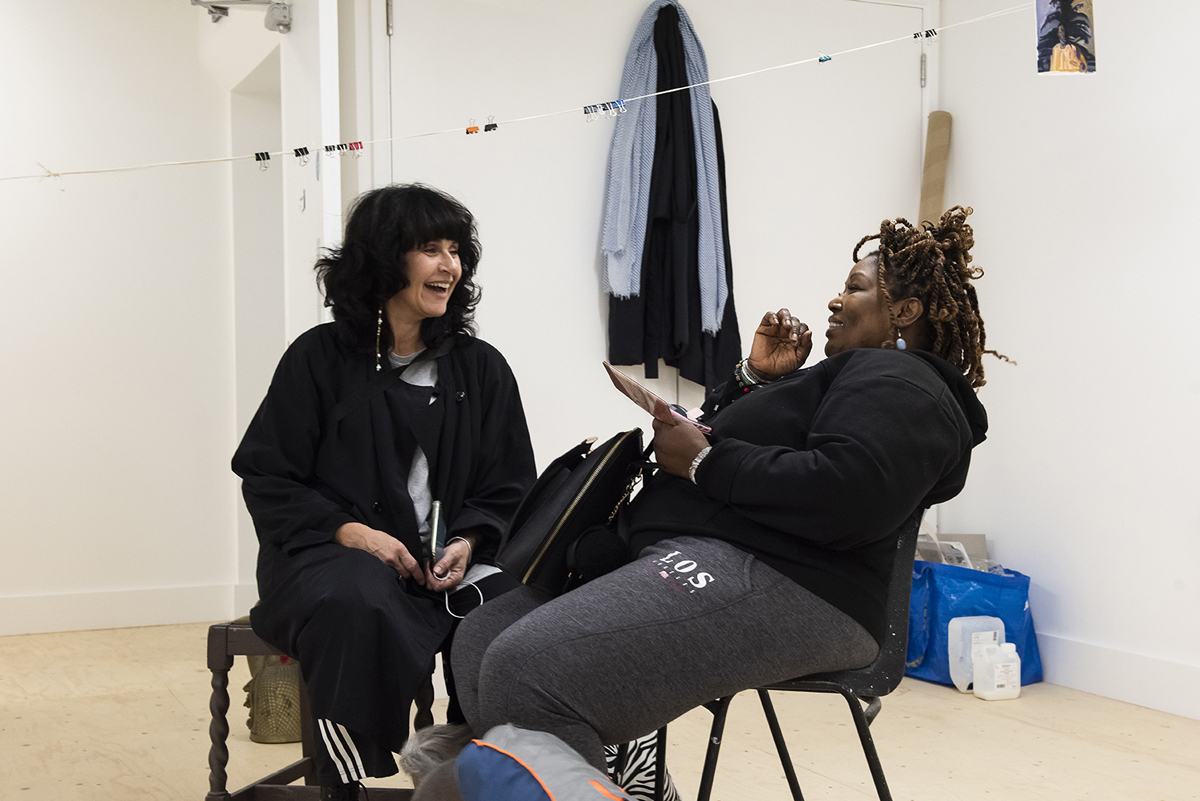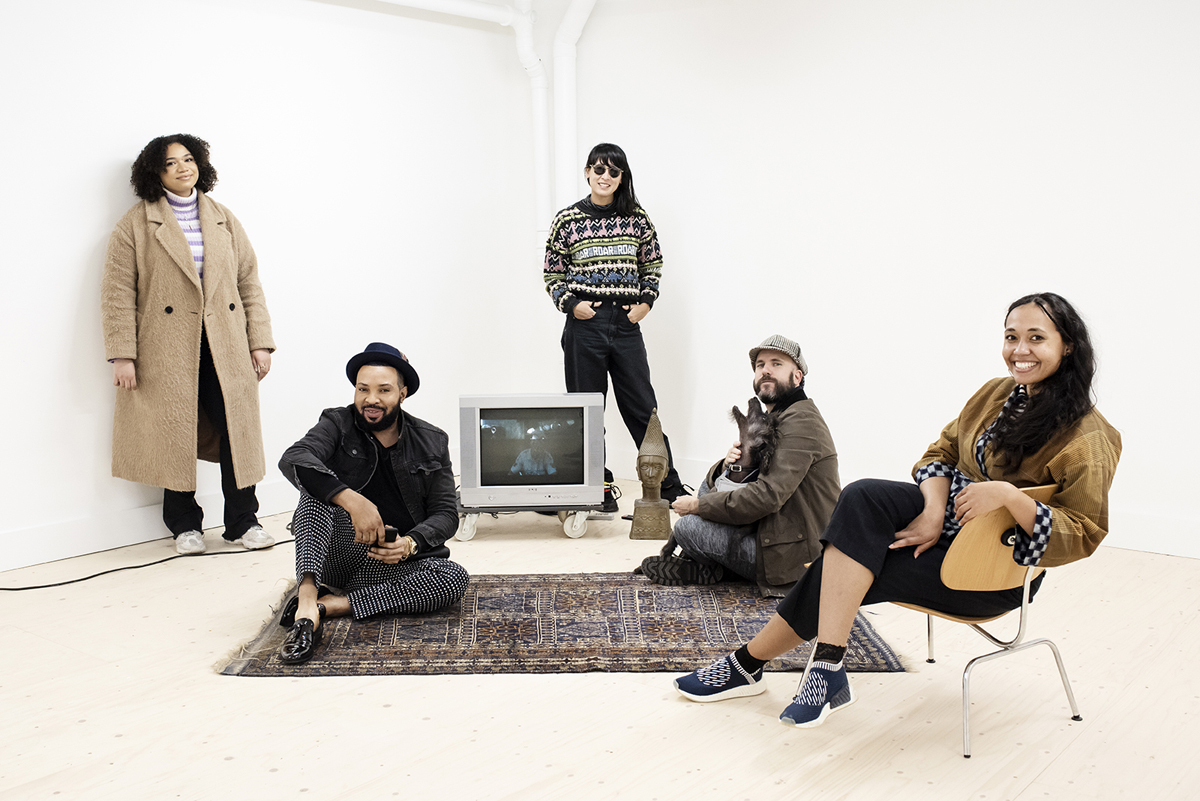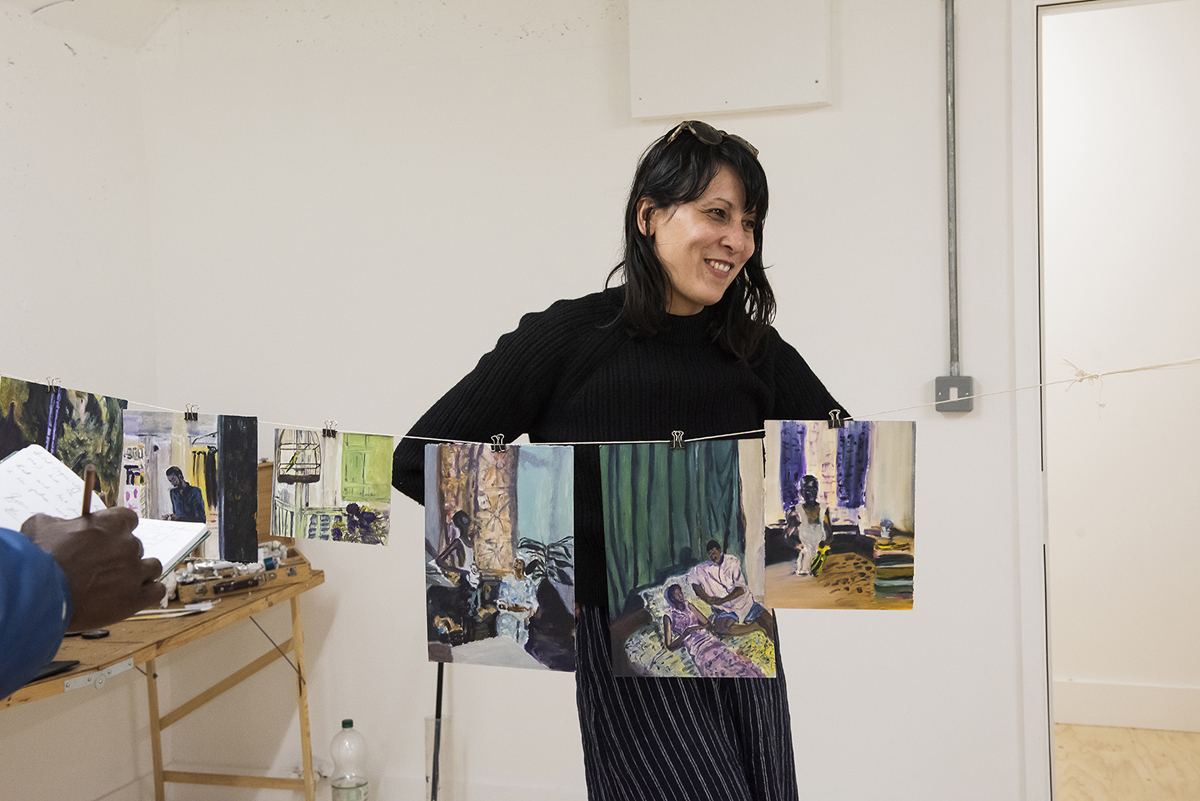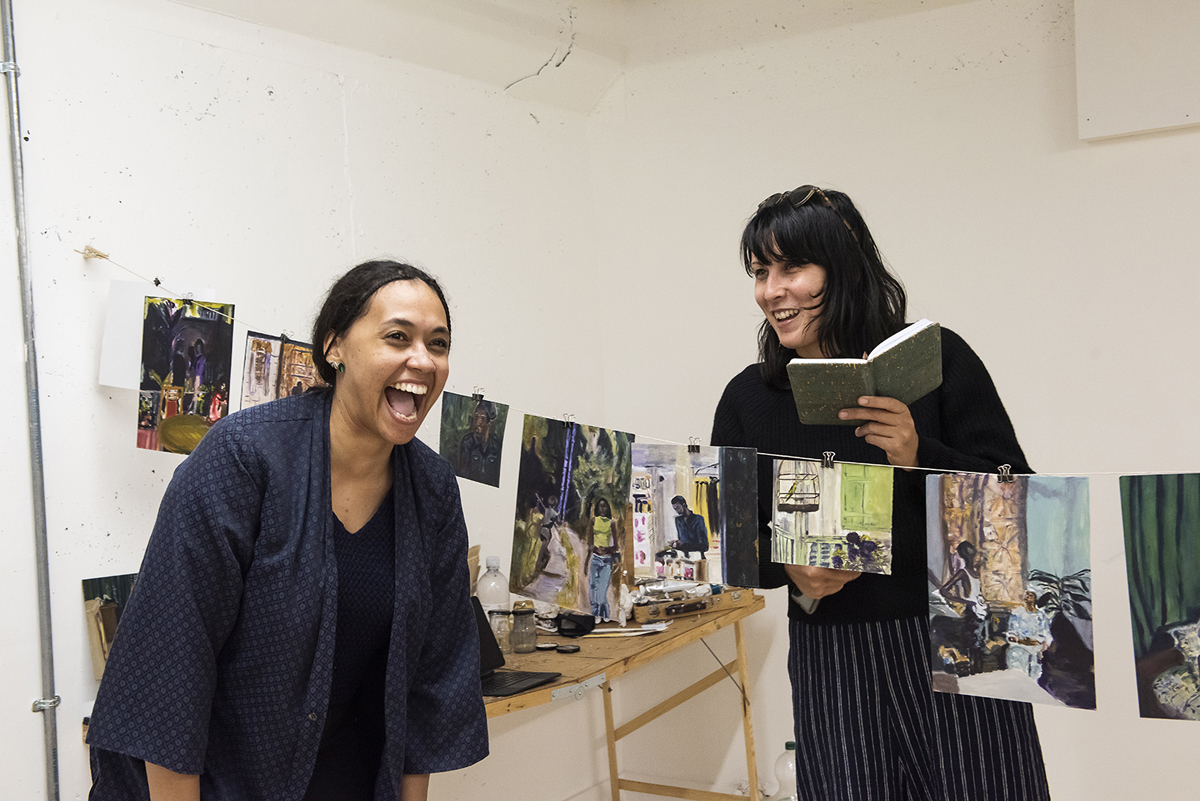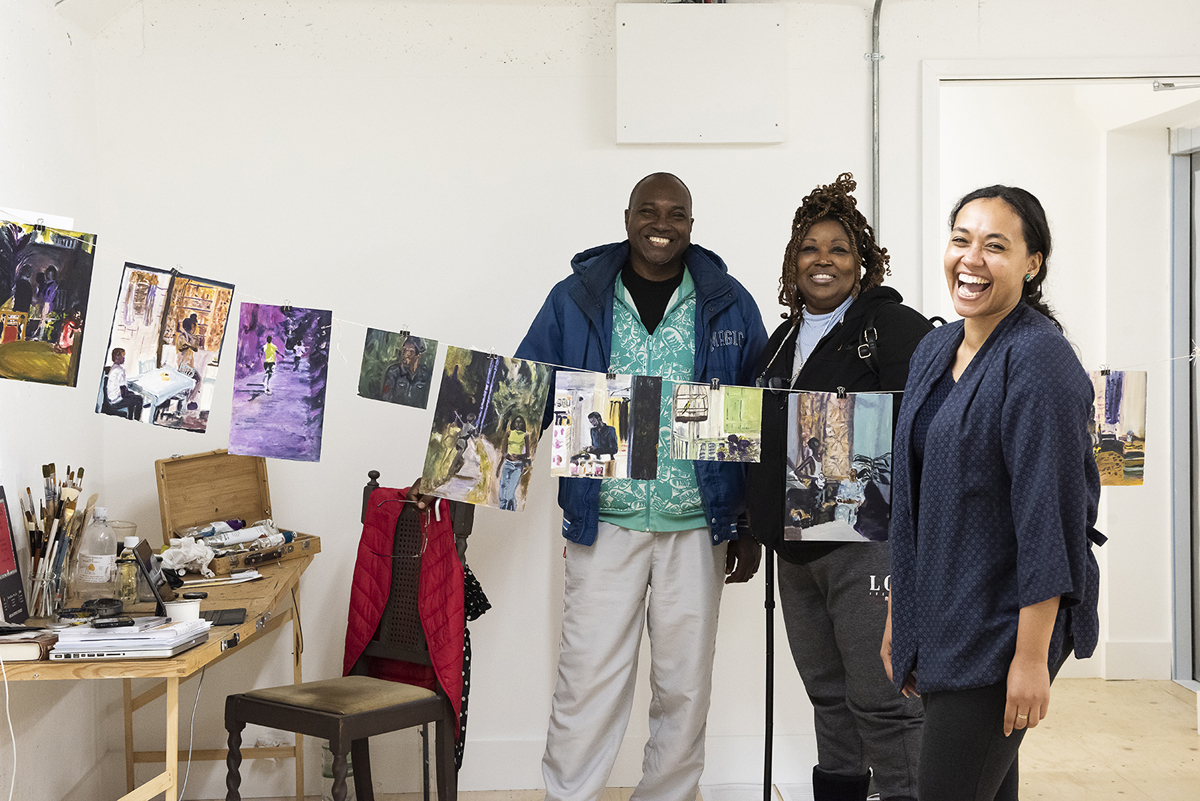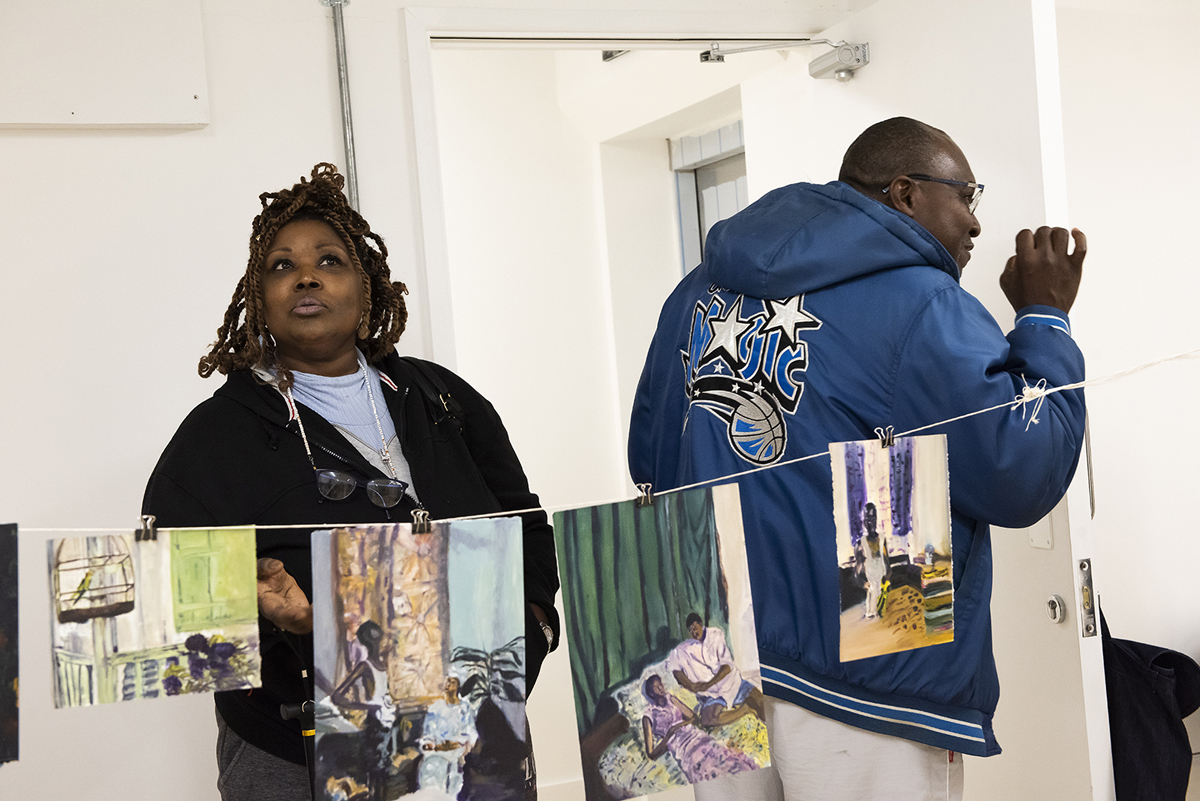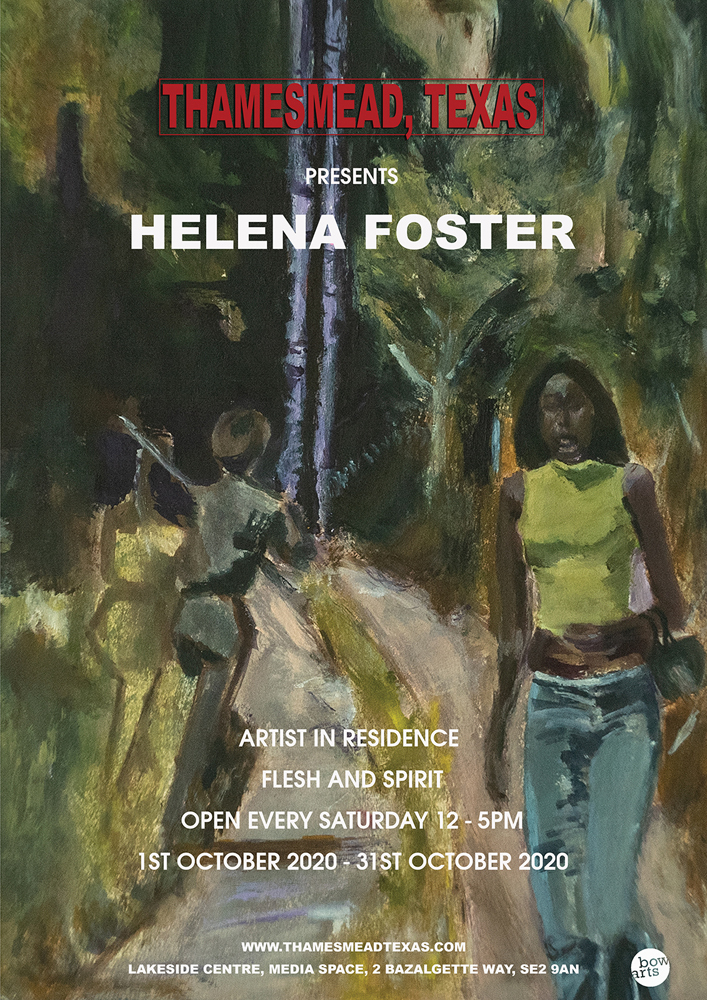
Thamesmead Texas are proud to present ‘Flesh & Spirit’, a new body of work by artist Helena Foster.
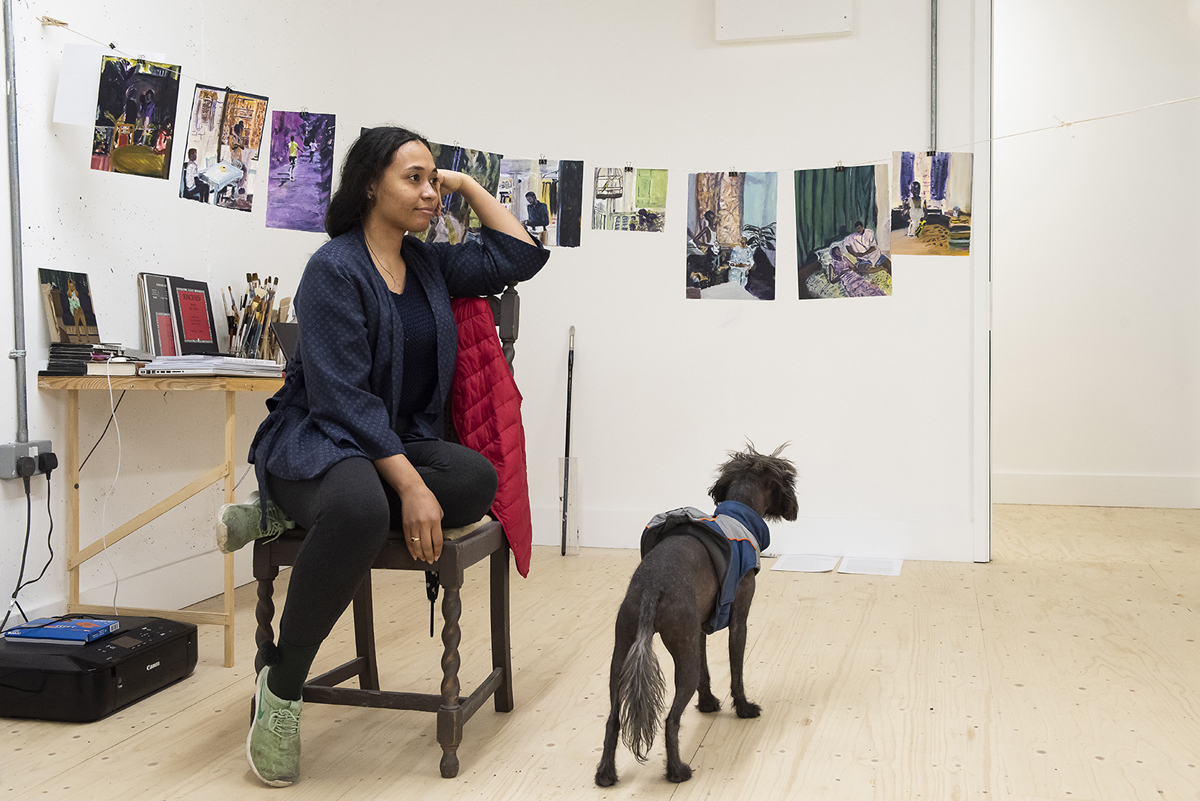
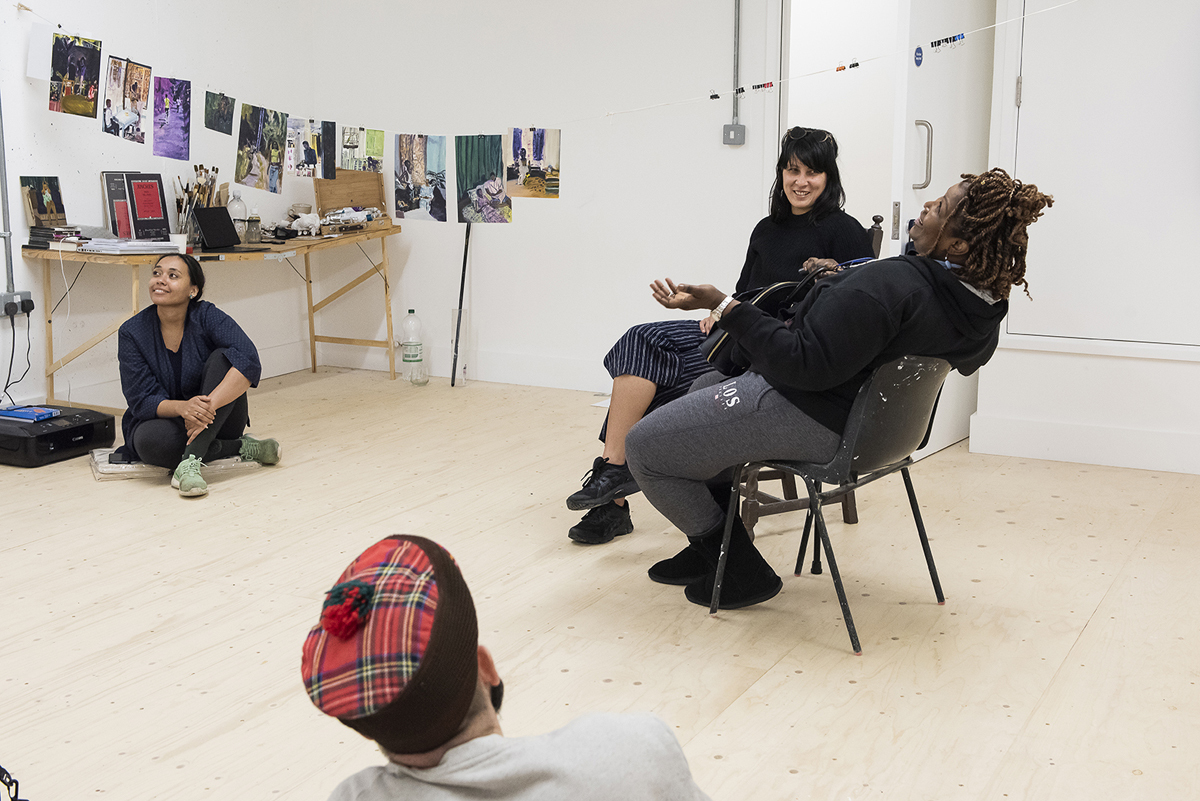
Helena Foster, a Thamesmead based painter of British and Nigerian descent will produce a new body of work in situ during a one-month residency at the Lakeside Centre, to coincide with Black History month.
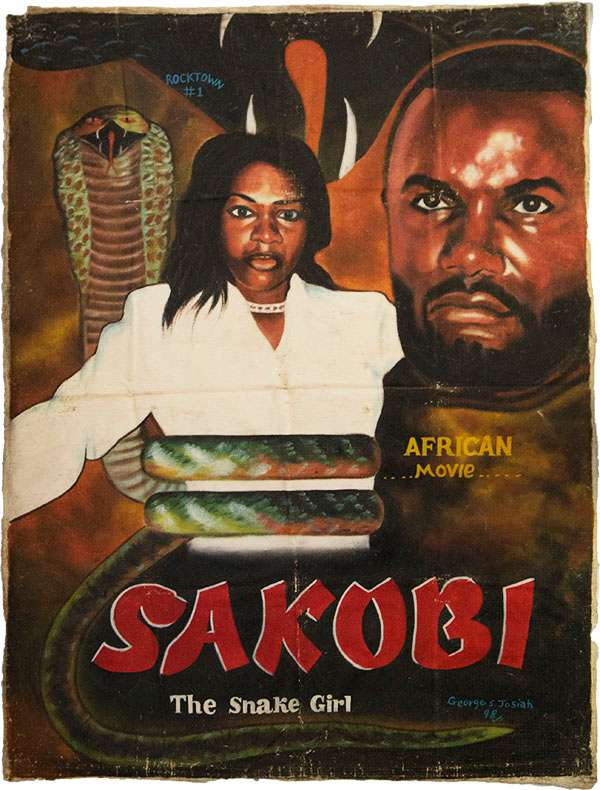
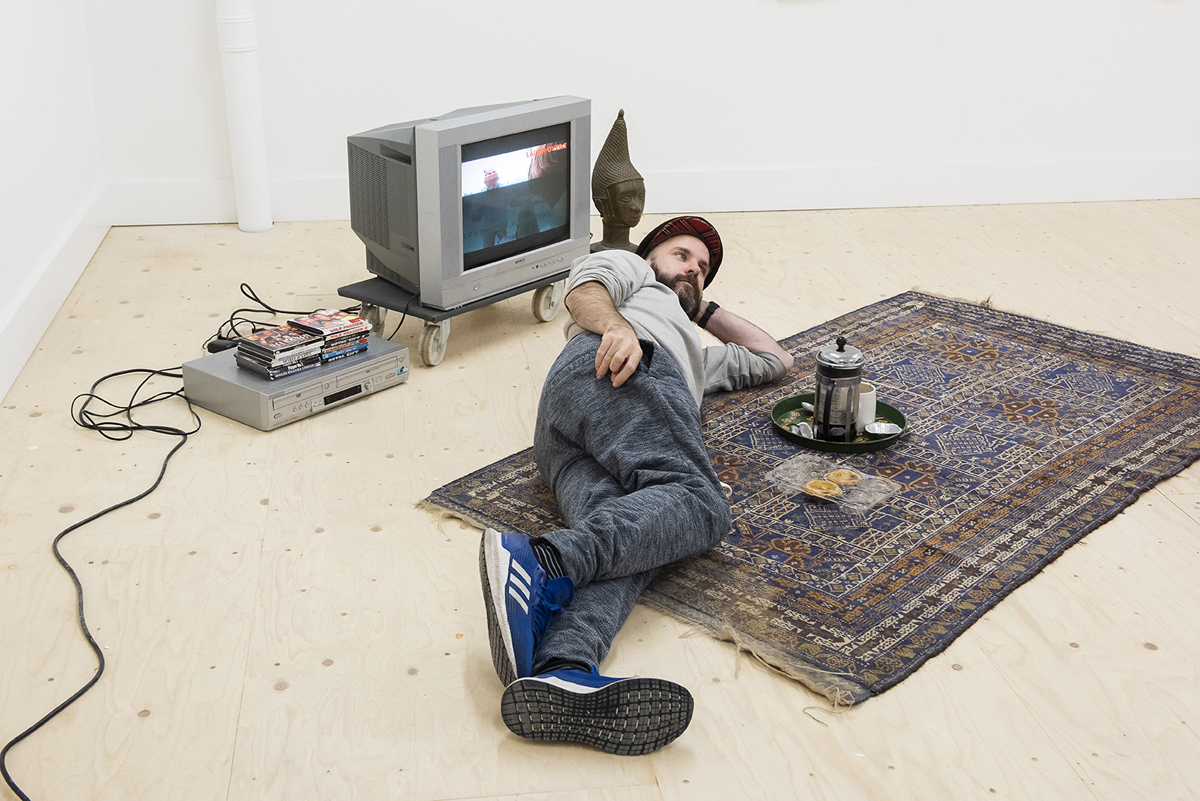
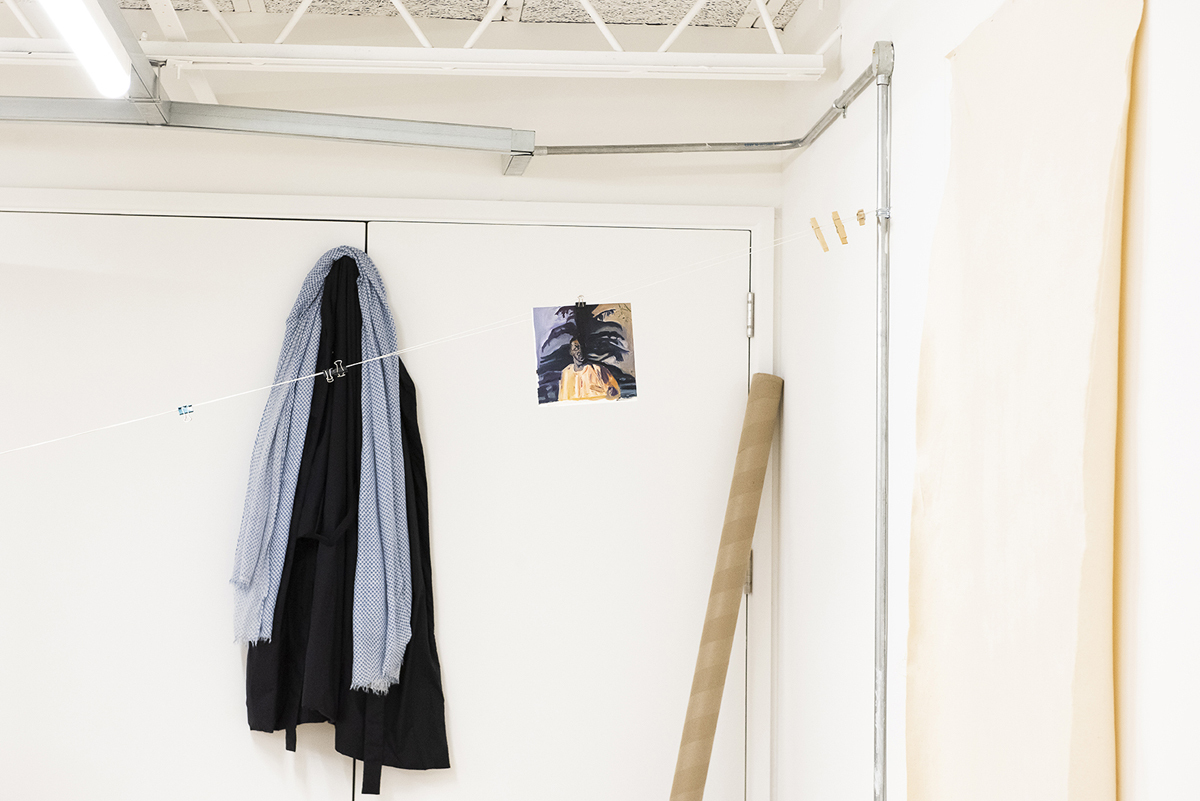
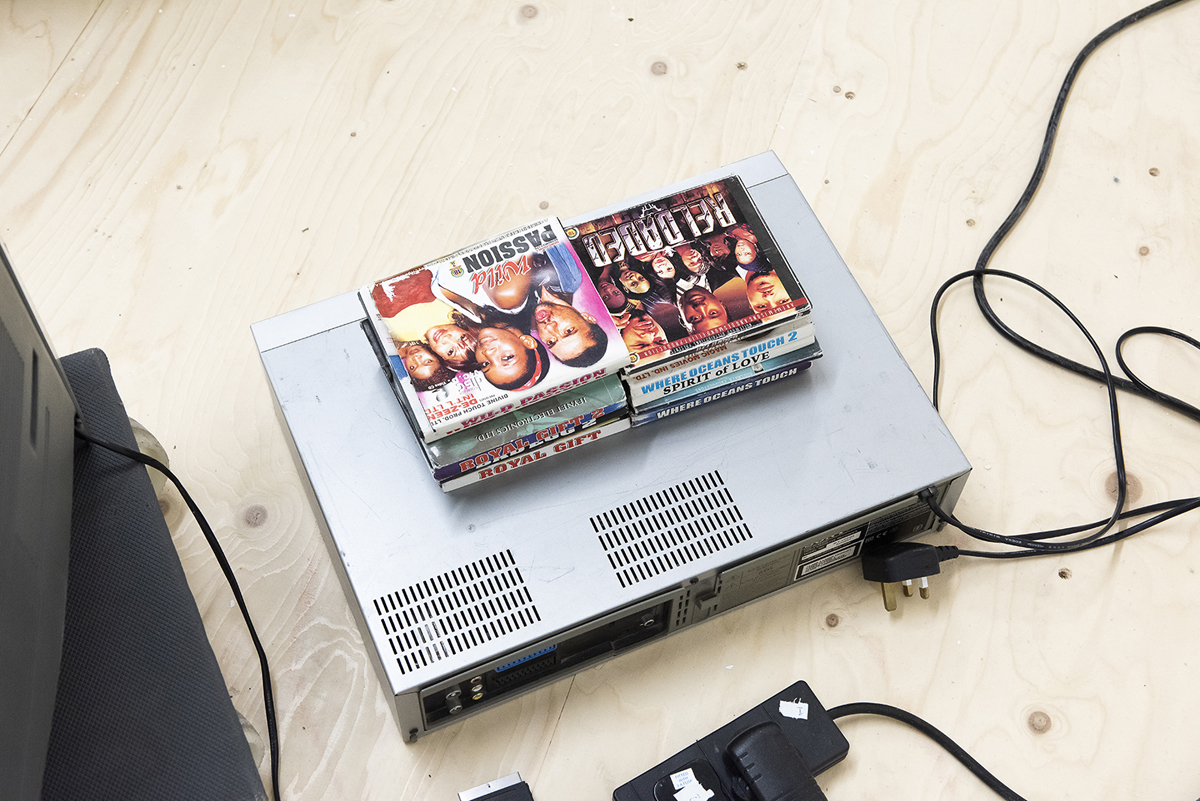
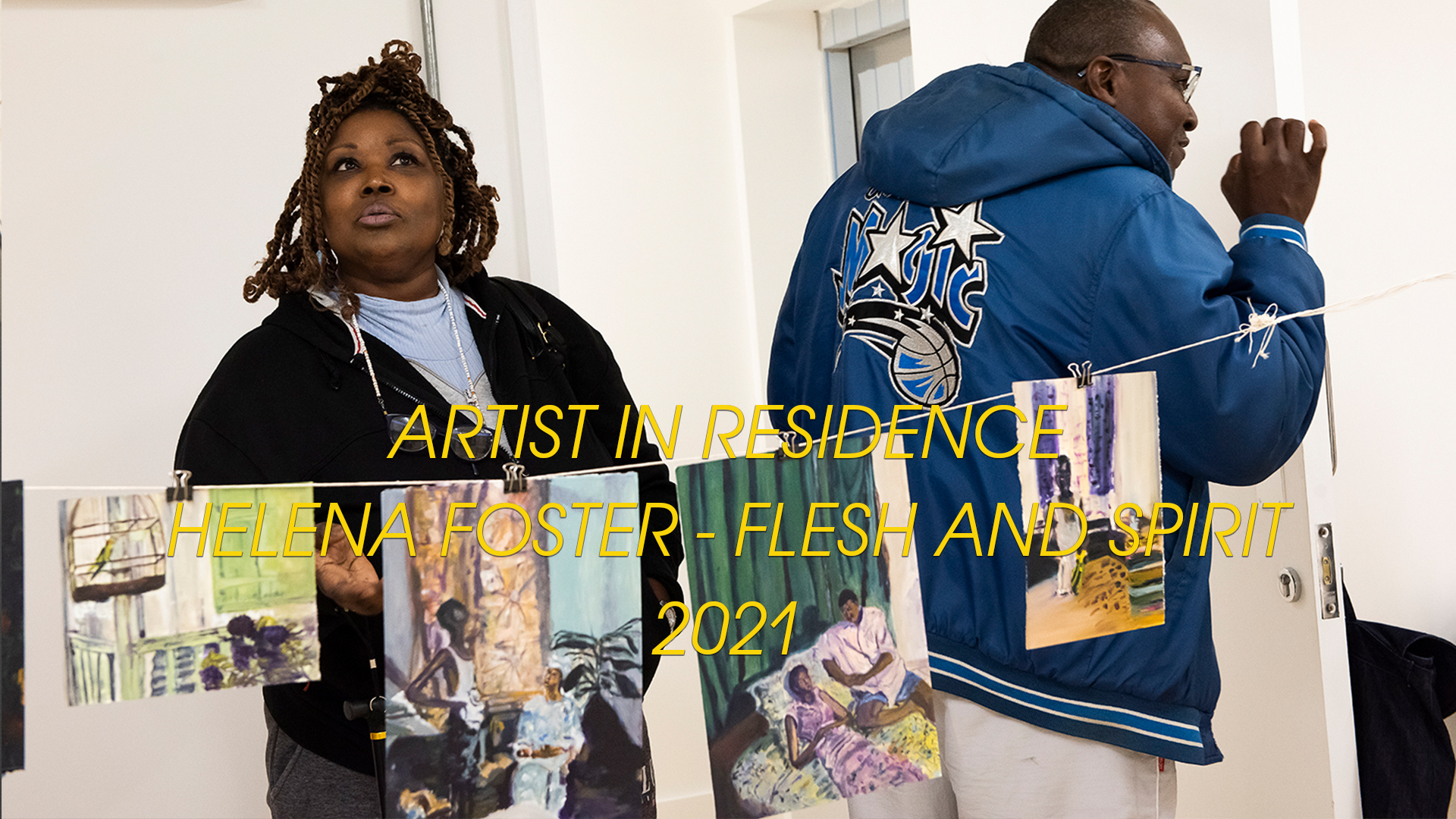
Helena Foster’s paintings are largely direct studies from Nollywood cinema, where she freeze-frames films and paints the characters, giving them new meaning in the context of painting. For her residency at the Lakeside Centre, Helena has chosen a selection of her favourite Nollywood film titles to study.
Thamesmead Texas will screen trailers of Helena’s favourite Nollywood films, from the Thamesmead Travelling Cinema, when the show opens to the public in conjunction with the Thamesmead Market on the 11th October 2020, 12-4pm.
Open every Saturday throughout October 12-5pm. Or by appointment. Lakeside Centre, SE2 9AN
Hosted by Scully & Scully. With thanks to Bow Arts their generous support. Funded by Peabody.
Click here for interview with Helena Foster
Thamesmead Texas spent some time catching up with Helena. Welcome Helena! Thanks for joining us in Texas. Whilst talking Nollywood with a friend and artist Debo Adegoke, we were told about a local artist who paints scenes from Nollywood. That artist is you; we then saw your work on Instagram and we absolutely had to talk to you. If you can begin by telling us, what is Nollywood?
HF: Thank you! Nollywood is the popular term used in referring to the Nigerian film industry after Hollywood and Bollywood. Although, thinking back to my early memories of watching Nigerian movies, I seem to recall it being referred to as ‘Home Videos’.
TT: It was only recently, whilst building the Thamesmead Travelling Cinema, we discovered that Thamesmead was a hub for Nollywood talent. Who knew that Nollywood actors, writers and directors were living here amongst us in Thamesmead! How did you come to use Nollywood as your main source of inspiration?
HF: That’s interesting but not surprising. In a way, I think of Thamesmead as mini Abeokuta – A quieter, undiluted neighbour to Lagos in the same light that I think of Peckham and Woolwich as the Lagos of London where one can find everything they possibly miss from ‘back home’. It was this longing to connect back to ‘home’ that gave birth to my Nollywood obsession.
HF: Having grown up in Benin city, Nigeria to an Igbo mother and English father, moving to London in my early teens was a huge culture shock for me. The feeling that this can’t be it… People made jokes I didn’t understand and I often felt lost when my peers referred to certain cartoon characters or movies they watched growing up – not realising that my reference point was far removed from theirs. However, one evening in flipping through Sky, I stumbled upon ‘Nollywood Movies’ a tv channel that broadcasted Nigerian films round the clock without any interruptions. I can’t describe to you how excited I was to actually see something that was familiar. Immediately, I took out my phone and started taking pictures of the film, a memory I wanted to hold on to in the case I never get that moment again. I stayed up throughout the night glued to my television set – It felt surreal, like I was going to wake up and no longer find this channel.
In my view, Nigerian movies reflect the reality of its society. One can relate to the concepts being portrayed on screen, the everyday concerns highlighted, the moral subjects, and aspirations expressed. Naturally, watching these films became a source of inspiration to me as they reflected some of the themes I was starting to explore in my paintings. Essentially, it became a portal into my home away from home – a way to connect and be grounded in the rich cultures around the part of the world where I grew up, perhaps for fear of losing a part of my identity to my new found home.
TT: We have previously discussed other painters who take inspiration from the world of cinema, can you talk a bit about this process of taking the moving image and transforming it through paint?
HF: Process is key! But, firstly thank you for coming round the studio. It was so lovely to speak to you both about life, art and artists in relation to the work I have been creating post lockdown. As much as I enjoy solitude, it’s refreshing to come out of my head every now and again and see the work through the eyes of another.
Now on the subject of process; I primarily work from photographs I have taken myself or re-photographed from pre-existing imagery taken from family photo albums, instagram and film. I think my approach is similar to that of a film editor. I tend to edit the source image by zooming in on particular characters as I paint. It becomes less about the original image and more about breaking down the image into the composition I have in my head. Although, some paintings may undergo very little alteration, but more often than not certain elements are borrowed from various sources; an expression, gesture, feeling, colour, object… merged to create a new narrative. I’m constantly editing with every decision I’m making, but unlike film, the possibilities with paint is endless and no mark is ever the same as one’s energy shifts with every second, with every brushstroke.
TT: You sometimes work directly from your mobile phone is there a fascination with transformation through the bad image, or bad reproduction?
HF: Yes, I’m particularly drawn to imagery shot on analogue film. This is one of the reasons classic Nigerian films from the 90’s appeals to me. I love the ‘bad’ qualities that it is often criticised for – The grainy effect, sound and low lighting conditions are the type of imperfections I very much celebrate, because life isn’t perfect. To an extent, there is a certain freedom that comes with this imperfection because I find working from an already perfect image difficult when it comes to maintaining a balance between loosely painted marks that suggest movement versus defined marks which appear static. It makes the process of painting less enjoyable with no room for the unexpected to happen. Finding this balance is sometimes my biggest challenge.
TT: For the one-month residency at the Lakeside Centre, we have proposed to set you up with a monitor where you can play, pause and rewind Nollywood films live in the studio, how will this working process differ from your usual ways of working?
HF: Vastly. I do have days at the studio when I watch Nigerian films purely for my own amusement. However, I’ve never paused to paint or tasked myself with painting fully from memory like we discussed of Rose Wylie’s painting of Nicole Kidman with ‘black strap’ (Rose Wylie, Syracuse Line-Up, 2014, Oil on canvas, 185 x 133 cm).
Over the years, I have fallen into the habit of painting directly from my tablet or mobile phone and I realised I was only doing this when working on smaller paintings. It’s a more intimate way of working as my movement in relation to the surface is different. My focal point is fixed and I avoid stepping away from the painting until I feel it’s finished. All the same, I am intrigued to see how this new way of working will turn out.